wellness
Upper West Siders Lose Sleep to Noise, Light, Temperature
Upper West Siders live in one of the noisiest, brightest neighbourhoods in New York, and their sleep quality is paying the price.
How we reported this
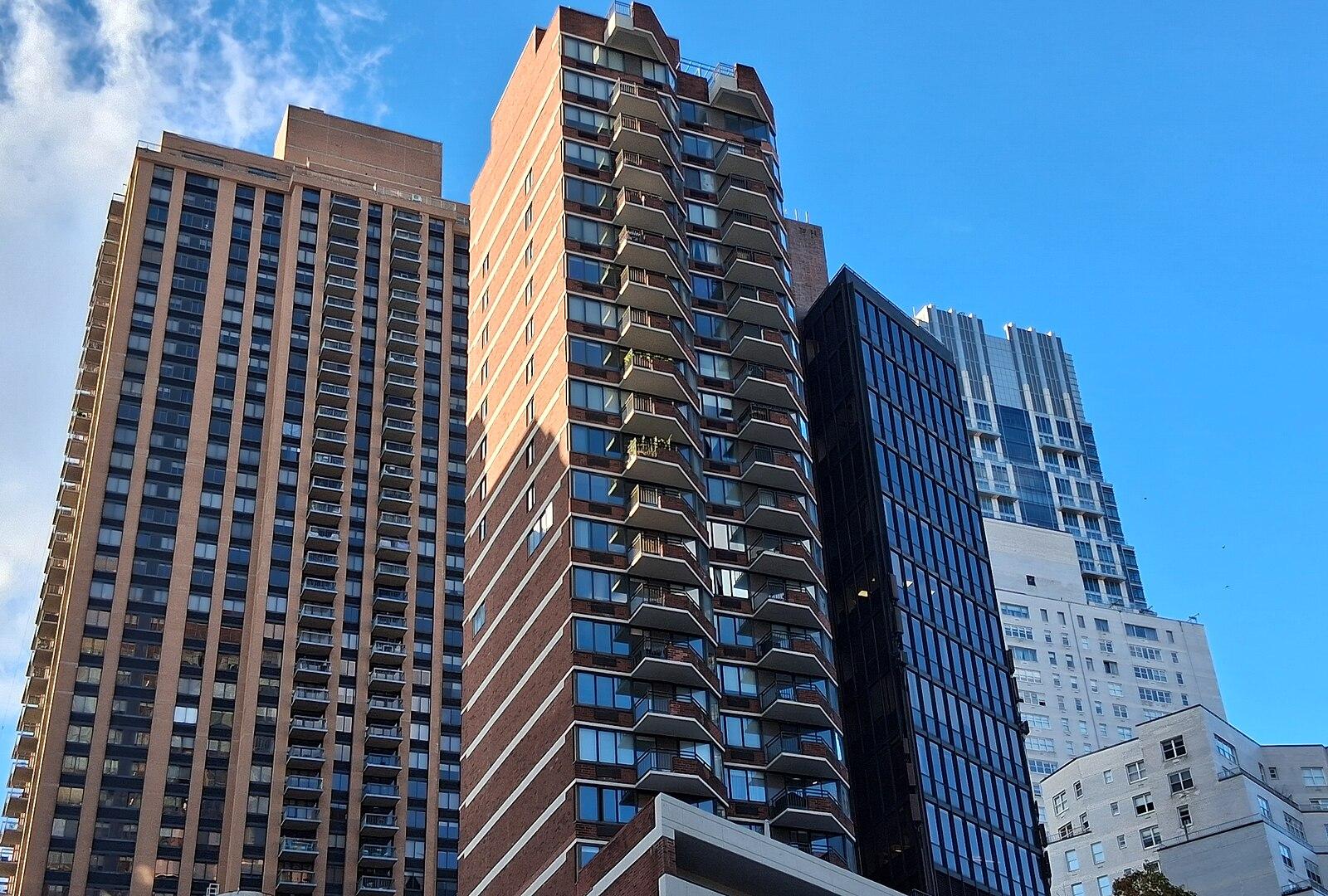
The alarm goes off at 6:30 a.m. on West 86th Street and you already feel like you never slept. You did, sort of. But the garbage truck that rumbled past at 3 a.m., the sodium-orange glow leaking through your curtains from Broadway's streetlights, and the fact that your apartment hasn't dropped below 74 degrees all week conspired to keep you in the shallow end of sleep all night. This is a recognisable summer reality for a lot of Upper West Siders, and the science behind it is harder to argue with every year.
Sleep researchers have long understood that the human brain doesn't just need darkness and quiet, it needs the right combination of temperature, light wavelength, and acoustic conditions to move through full sleep cycles. What's changed is the growing body of evidence quantifying exactly how much urban environments disrupt those conditions, and how relatively small interventions can shift outcomes dramatically. July in Manhattan is a stress test for all three variables at once.
The Three-Way Problem: Heat, Light and the M104 Bus
Temperature is the factor most Upper West Siders underestimate. The body needs to drop its core temperature by roughly 1 to 2 degrees Fahrenheit to initiate sleep, a finding consistent across peer-reviewed sleep medicine literature. Most sleep specialists consider a bedroom temperature between 65 and 68 degrees Fahrenheit optimal for adults. During a New York summer heat event, when overnight lows in the 70s become routine and window air conditioners cycle on and off every few minutes, hitting that target is genuinely difficult. Residents of the pre-war buildings along Riverside Drive face a particular challenge: thick masonry walls retain daytime heat and release it slowly through the night.
Light is the second assault. The Upper West Side is one of the most illuminated residential corridors in Manhattan, with Amsterdam Avenue and Broadway both running constant commercial and street lighting through the night. Exposure to blue-spectrum light, emitted by LED streetlamps, phone screens, and even many modern air conditioner display panels, suppresses melatonin production. Research published in the journal Sleep Medicine Reviews has linked chronic light exposure during sleep hours to reduced slow-wave and REM sleep duration. Blackout curtains, widely available at the Bed Bath & Beyond that anchors the shopping strip near 66th Street and Broadway, retail from around $30 to $90 a panel, a low-cost intervention with meaningful evidence behind it.
Noise rounds out the trifecta. The 1 train runs 24 hours a day, with station vents and track noise audible in apartments as far as half a block from the Broadway-72nd Street station. The World Health Organization set a guideline of 40 decibels as the upper threshold for outdoor night noise to avoid sleep disturbance, a standard that many blocks of the Upper West Side routinely exceed during summer months when windows stay open.
What Local Wellness Resources Are Saying
The Upper West Side's active wellness community has started treating sleep as a serious training variable, not just a recovery afterthought. The 92nd Street Y, which runs health and wellness programming year-round from its base on Lexington Avenue, has incorporated sleep hygiene modules into several of its adult fitness series in recent seasons. Equinox, with a full-service club at 97th Street and Broadway, trains its coaches to discuss sleep as part of member performance assessments, reflecting a broader industry shift toward treating rest as a measurable fitness metric.
Several practitioners at the Upper West Side outpost of Parsley Health, located near Columbus Circle, have publicly discussed sleep environment optimization as part of integrative care plans, though any resident with specific concerns should consult a local physician or sleep specialist directly.
The practical starting point is unglamorous but effective. Keep the bedroom below 68 degrees if the air conditioner allows it. Install blackout curtains before the next heat stretch arrives. A white noise machine, models from LectroFan start around $50 at retailers near the 72nd Street corridor, can meaningfully mask the acoustic spikes from the 1 train and late-night delivery trucks on Columbus Avenue. Switching your phone to night mode before 9 p.m. costs nothing. None of these are radical changes. Done together, they stop your bedroom from working against you every night of the summer.