wellness
Shift Workers and Irregular Sleep: Practical Strategies for the Upper West Side's Around-the-Clock Workforce
From hospital nurses on the overnight at Mount Sinai to bartenders closing down Broadway bars, tens of thousands of New Yorkers are fighting their own biology every time the sun comes up.
Listen in English · 4 min
How we reported this
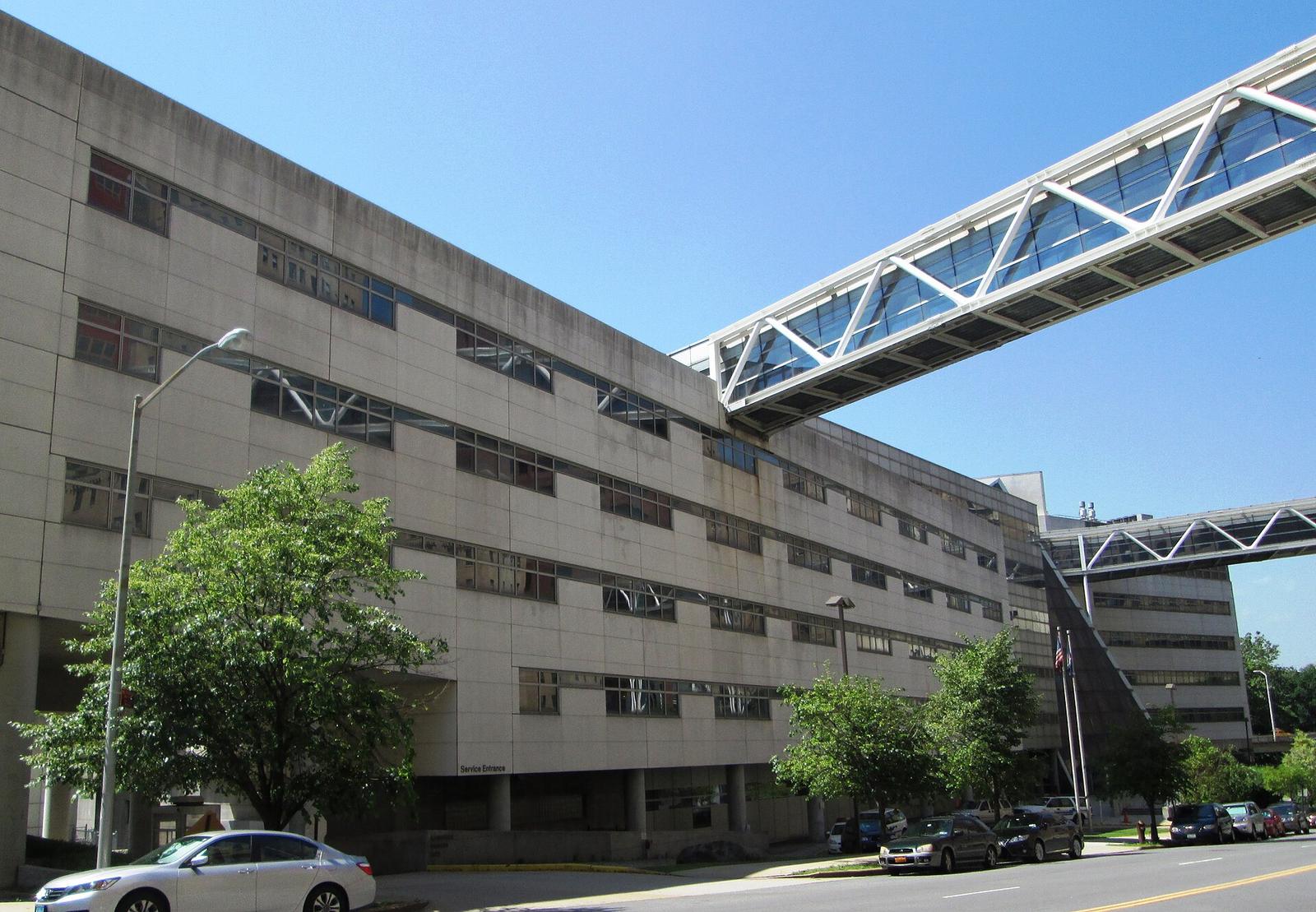
About 15 million Americans work outside a standard 9-to-5 schedule, according to the Bureau of Labor Statistics, and a disproportionate share of them live and work along the corridors of Manhattan's Upper West Side, where hospitals, hospitality, transit and media operations run continuously. The consequences are not trivial. Chronic disruption to the body's circadian rhythm is now linked by researchers at Columbia University Irving Medical Center, located at 168th Street, to elevated risks of cardiovascular disease, metabolic syndrome and depression.
The conversation around sleep and hormones has sharpened considerably in 2026, with endocrinologists increasingly flagging how off-cycle schedules suppress melatonin production and push cortisol into patterns the body was never designed to sustain long-term. For shift workers on the Upper West Side, the nursing staff rotating through NewYork-Presbyterian's overnight floors, the MTA operators starting runs at 4 a.m. out of the 72nd Street station, the line cooks finishing service past midnight at restaurants along Amsterdam Avenue, that science translates into a daily lived reality of fatigue, poor concentration and frayed health.
What the Research Actually Says
A 2024 meta-analysis published in the journal Sleep Medicine Reviews found that shift workers average 1.5 to 3 fewer hours of sleep per 24-hour period than day workers, and that sleep quality, measured by slow-wave and REM duration, drops by roughly 30 percent even when total hours look adequate. That deficit accumulates. After two weeks of restricted sleep, cognitive performance degrades to a level equivalent to 48 hours of total sleep deprivation, yet people consistently underestimate how impaired they are.
Light exposure is the central variable. The body's suprachiasmatic nucleus, the circadian pacemaker sitting just above the optic chiasm, responds to blue-wavelength light to determine whether it is day or night. A night-shift worker commuting home at 7 a.m. through Riverside Park, with full July sun hitting their retinas, is sending a powerful "stay awake" signal to a brain that desperately needs to wind down. Blackout curtains, blue-light-blocking glasses worn during that commute, and a consistent pre-sleep routine can meaningfully offset this.
Local Resources and Practical Starting Points
The Upper West Side has genuine infrastructure for this. The Columbia University Department of Neurology runs a Sleep Disorders Center at the Neurological Institute on Fort Washington Avenue that accepts patients for both diagnostic polysomnography and behavioral sleep medicine consultations; wait times as of early summer 2026 are running four to six weeks for new appointments. The 92nd Street Y, which sits technically in the Upper East Side but draws heavily from UWS residents, offers a Wednesday-evening sleep hygiene workshop series that began in March and runs through September at $25 per session.
Closer to home, several practitioners at the integrative health clinic Parsley Health, which has a location at 73rd Street and Broadway, have been building out protocols specifically for healthcare workers with rotating schedules. The approach prioritizes what sleep specialists call "anchor sleep", keeping at least four to five hours of sleep at a consistent time each day even when the rest of the schedule shifts, giving the circadian system something fixed to orient toward.
Strategic caffeine use matters too, and most shift workers are doing it backwards. Consuming caffeine within six hours of an intended sleep window delays sleep onset by an average of 40 minutes, per a study from the American Academy of Sleep Medicine. For a nurse ending a night shift at 7:30 a.m. and aiming to sleep by 9, that coffee on the walk home along West End Avenue is working against them.
Short naps, 20 minutes maximum, timed before a shift rather than immediately after, can restore alertness without producing sleep inertia. Melatonin at low doses, 0.5 to 1 milligram, taken 90 minutes before a target sleep time, can help advance or delay the sleep phase, but anyone with existing health conditions should consult their physician at a practice like the Upper West Side's CityMD on Broadway or a primary care provider before starting supplementation.
The fundamental message from sleep medicine researchers is this: shift work is not going away, but the damage it does is not entirely fixed. Consistent anchoring, deliberate light management, and behavioral discipline around caffeine and nap timing are not glamorous interventions, but the data says they work.