wellness
A Beginner's Guide to Starting a Meditation Practice on the Upper East Side
From Central Park benches to dedicated studios on Lexington Avenue, here's how newcomers can build a sustainable meditation habit in one of Manhattan's most driven neighborhoods.
How we reported this
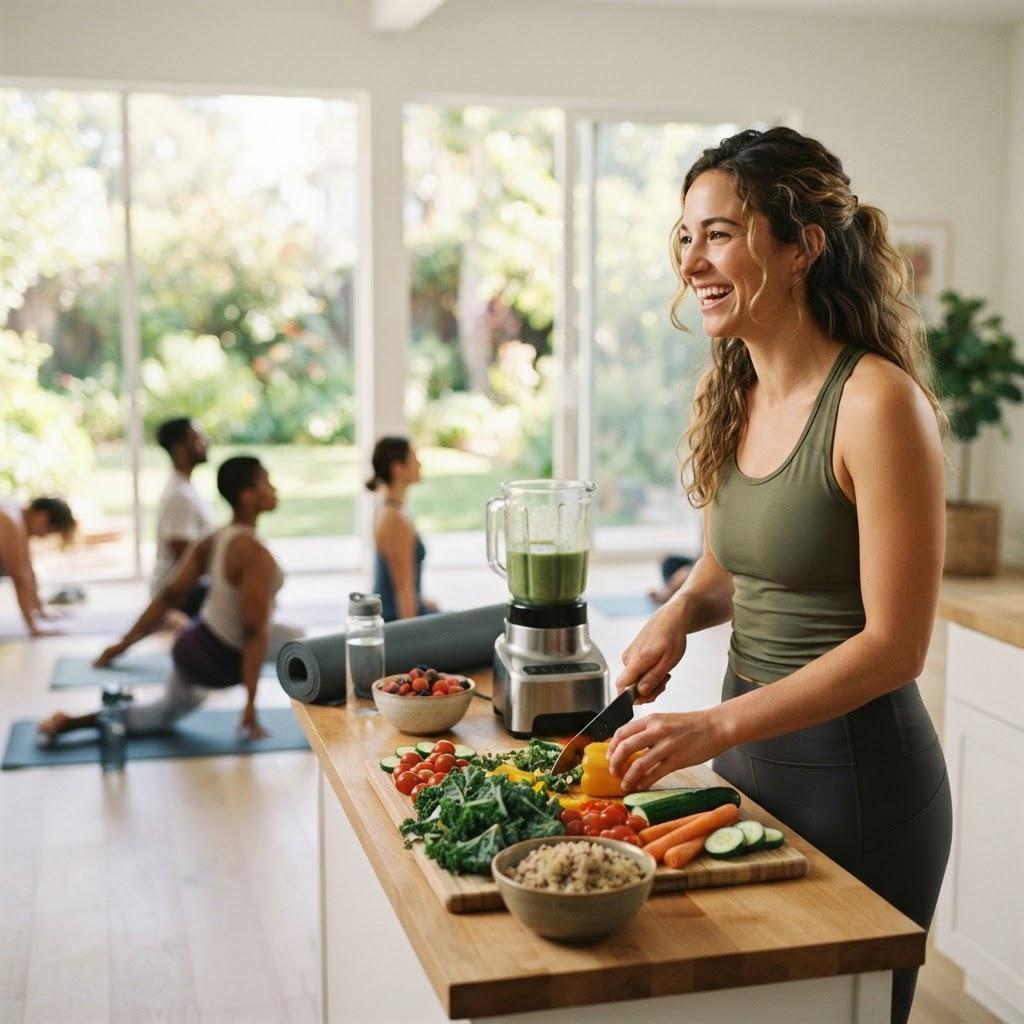
More Upper East Siders are sitting down to do nothing, deliberately. Demand for beginner meditation classes in Manhattan has climbed steadily over the past three years, and the stretch of the UES between 60th and 96th Streets now hosts at least a half-dozen dedicated wellness studios offering structured intro programs. For anyone who's curious but hasn't yet unrolled a mat, the entry points have never been more accessible or affordable.
The timing matters. Mid-summer in New York, the heat, the noise, the post-July 4th lull after a long weekend, tends to surface a particular kind of restlessness. Therapists and wellness coaches in the neighborhood routinely note that July and January are the two months when people most seriously commit to new mental health habits. Meditation, unlike a gym membership, requires almost no equipment and can begin in a public park for free.
Where to Start on the Upper East Side
The most beginner-friendly entry point in the neighborhood is arguably the 92nd Street Y on Lexington Avenue, which runs structured mindfulness courses through its Health and Fitness programming. The Y's intro series typically runs six weeks and covers breath-based techniques, body scans, and basic seated meditation, skills drawn from the Mindfulness-Based Stress Reduction framework developed at the University of Massachusetts Medical School in the 1970s. Single drop-in wellness classes at the 92Y are generally priced in the $20-$35 range, though membership holders receive discounts.
A few blocks south, Pure Yoga, with its East Side location on East 86th Street, incorporates guided meditation into several of its class formats, including yin yoga and restorative sessions that work well for complete beginners who find pure sitting practice uncomfortable at first. Their intro month packages have historically been offered at a promotional rate, making it a low-risk experiment.
For those who prefer something secular and drop-in, Central Park's Conservatory Garden at 105th Street and Fifth Avenue offers a quiet, structured outdoor environment that's genuinely conducive to solo practice, less foot traffic than the Sheep Meadow, more greenery than the reservoir path. Several informal meditation groups use the garden on weekend mornings in summer.
What the Evidence Actually Says
The science is better than the wellness industry sometimes makes it sound, and also more modest. A 2014 meta-analysis published in JAMA Internal Medicine, which reviewed 47 randomized controlled trials involving roughly 3,500 participants, found that mindfulness meditation programs showed moderate evidence of improving anxiety, depression, and pain. The key word is moderate. Researchers found no strong evidence that meditation outperforms other active therapies, it's a tool, not a cure.
For beginners, consistency matters more than duration. Research consistently shows that sessions as short as 10 minutes daily produce measurable changes in self-reported stress levels after eight weeks. Apps like Headspace and Calm, both widely used in New York, offer guided 10-minute sessions that require nothing beyond a phone and a quiet corner. A basic Headspace subscription runs around $70 per year as of mid-2026.
The practical recommendation for UES newcomers: don't start with a 30-minute silent retreat. Start with five minutes of focused breathing in the morning, seated in a chair at home, no cushion required, no app necessary. Inhale for a count of four, hold for four, exhale for four. Do it before checking your phone. That single habit, repeated for two weeks, is the most reliable on-ramp to a longer practice.
If solo practice stalls, and for many people it does, structure helps. The 92nd Street Y's fall programming schedule typically opens for registration in August, and spots in beginner mindfulness courses fill quickly. Anyone serious about starting before September can contact their wellness desk directly. The Conservatory Garden, meanwhile, is free, open daily, and requires no registration at all. The hardest part is simply showing up and sitting still.