wellness
The Hidden Nature Walks Upper East Siders Love But Tourists Miss
While visitors crowd Bethesda Fountain, locals have quietly claimed a network of quieter green corridors that most guidebooks never mention.
Listen in English · 4 min
How we reported this
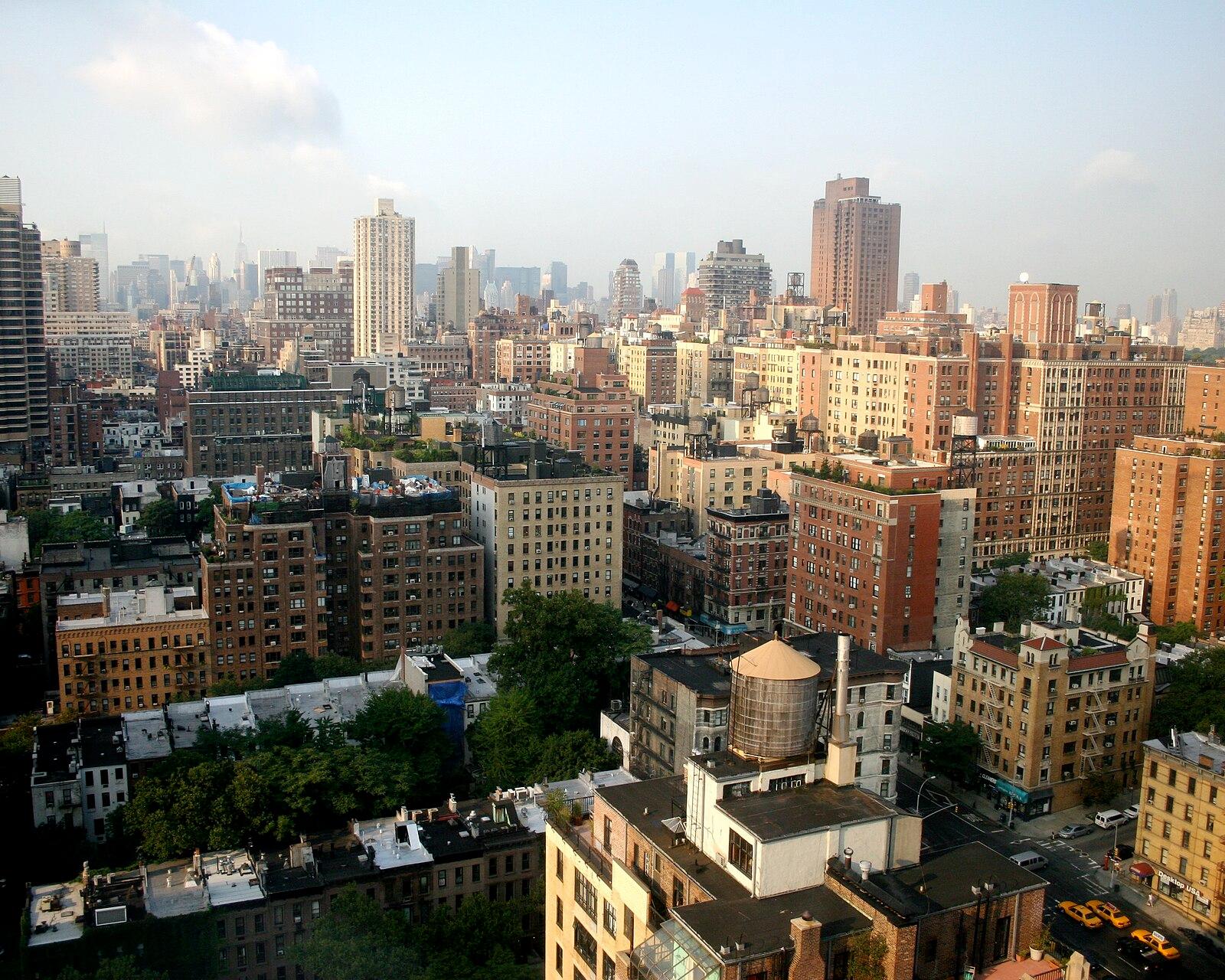
The benches along the East Drive near 90th Street fill up before 7 a.m. most summer mornings, occupied not by tourists with hotel maps but by regulars who have been walking the same shaded loop for years. The Upper East Side has a fitness culture that runs deeper than its SoulCycle studios and Pilates reformers, and a growing number of residents are rediscovering it on foot, through patches of urban nature that sit in plain sight but rarely make an itinerary.
Hormone research published earlier this week underscored what exercise physiologists have argued for years: consistent moderate outdoor movement, including walking at a brisk pace for 30 minutes or more, measurably supports cortisol regulation and mood stability. That evidence lands differently in July 2026, when heat advisories are already cycling through the five boroughs and gym attendance historically dips. The parks are not a consolation prize. For many UES residents, they are the whole point.
The Routes the Regulars Actually Use
Start at the Andrew Haswell Green Park, the narrow ribbon of waterfront that runs along the East River between roughly 60th and 63rd Streets. Most people know Carl Schurz Park a mile north, the tourist-legible one, with its promenade above the FDR Drive and the Gracie Mansion grounds. Andrew Haswell Green gets a fraction of the foot traffic despite offering unobstructed river views, a paved walkway, and access to the Greenway that threads up toward Randalls Island via the Triborough Bridge pedestrian path. Early mornings, the path is almost entirely locals: dog walkers from the Sutton Place buildings, older residents doing post-cardiac-rehab strolls, and a rotating cast of runners who use the river-level segment to escape the Central Park crowds entirely.
The second underrated corridor is the North Woods approach inside Central Park, but entered from the 102nd Street Transverse rather than the more obvious 72nd Street gates. From East 102nd and Fifth Avenue, walkers drop into the Conservatory Garden, six acres of formal landscaping that the Central Park Conservancy maintains at a cost of roughly $1 million annually, according to its 2025 financial report. Past the garden's Vanderbilt Gate, a dirt path leads into the North Woods proper: 40 acres of ravine, stream, and native plantings where the tree canopy is dense enough that the skyline disappears. A weekday morning here in early July feels nothing like a city of 8.3 million people.
The El Museo del Barrio sits at 1230 Fifth Avenue near 104th Street, and the block immediately north marks where the UES effectively becomes East Harlem, a boundary that, paradoxically, thins the foot traffic on the Central Park paths almost immediately. Regulars from Carnegie Hill and Yorkville have known this for decades. The stretch of the East Drive between 100th and 106th Streets sees far less cycling and running congestion than the 72nd-to-86th loop, and the Harlem Meer at 110th Street offers benches, herons, and a functioning bait-and-tackle program run by the Central Park Conservancy through its Family Programs calendar.
Making the Most of It Before Summer Peaks
The practical calculus is straightforward. Central Park logged approximately 42 million visits in 2024, according to the Conservancy's annual count, but that traffic concentrates heavily between 72nd and 86th Streets on the west side. Push north of 96th Street on the east side and crowd density drops by an estimated 60 percent, park rangers have noted in public programming sessions at the Dana Discovery Center on 110th Street.
The Dana Center itself, open Tuesday through Sunday from 10 a.m. to 5 p.m., lends fishing poles at no charge and hosts free naturalist walks on Saturday mornings through August. Registration opens 48 hours in advance on the Central Park Conservancy website. Spots fill, but not the way the Bethesda Terrace tours do.
For anyone looking to build a regular outdoor movement habit, something many physicians at NewYork-Presbyterian and Mount Sinai's UES practices now recommend before escalating to structured fitness programs, these routes offer a reliable, low-barrier option. The gear requirement is minimal. The knowledge requirement, until now, was knowing who to ask.