wellness
Drink Up, Upper East Side: What the Summer Heat Is Actually Doing to Your Body
As temperatures push past 90°F along Fifth Avenue and Central Park hits its steamiest stretch, hydration has become the neighborhood's most urgent wellness conversation.
Listen in English · 4 min
How we reported this
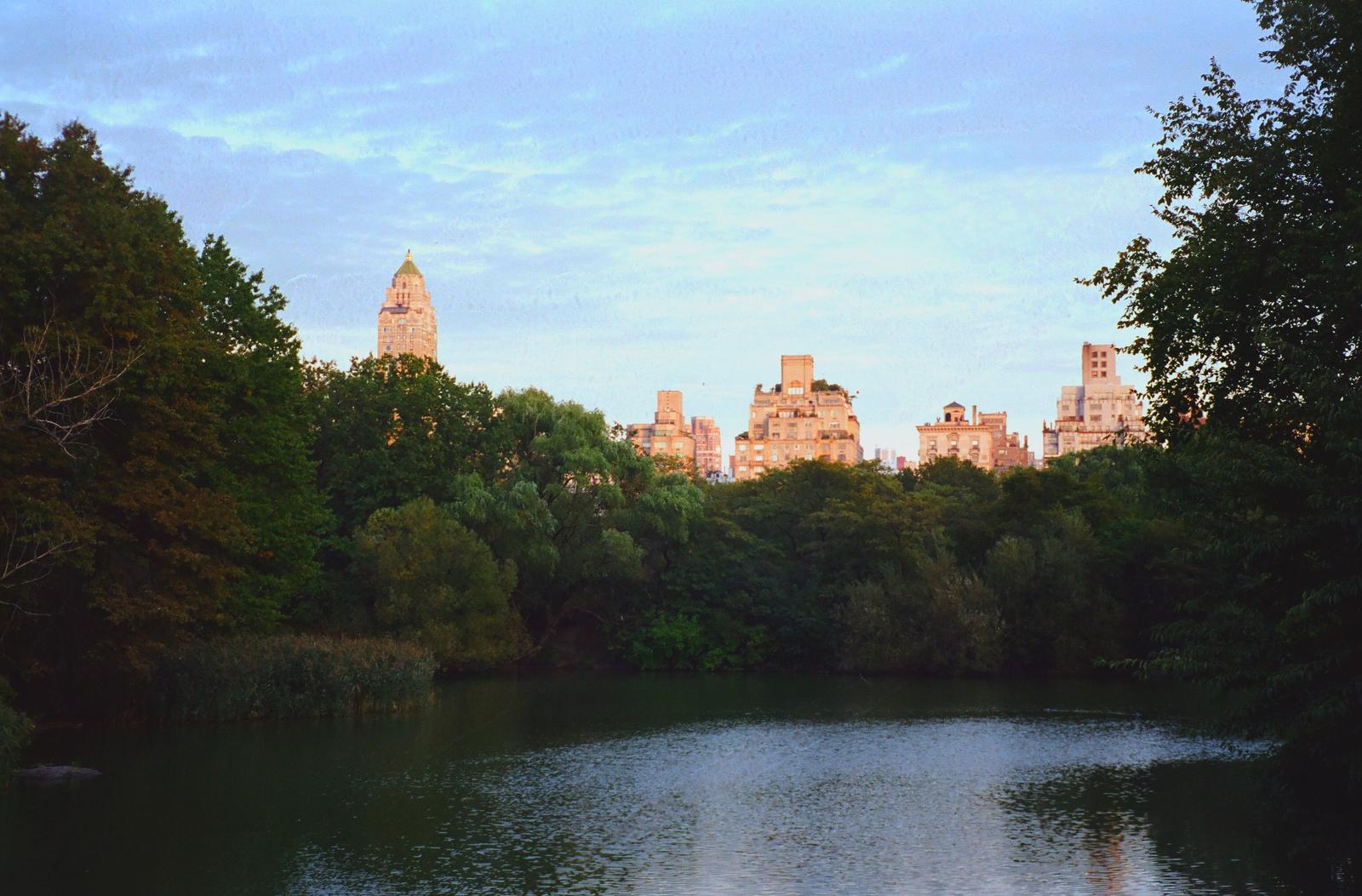
The thermometer hit 94°F at the Central Park weather station on June 28th, and it hasn't dropped below 88 during peak afternoon hours since. For the roughly 220,000 residents packed between 59th and 96th Streets on the East Side, that's not a fun fact, it's a physiological stress test. Dehydration onset begins when the body loses just 1 to 2 percent of its water weight, and in this humidity, that can happen within 45 minutes of outdoor activity without any conscious sweating.
The timing matters. July and August in Manhattan consistently rank as the city's most dangerous months for heat-related illness, according to New York City Department of Health data, with emergency department visits for heat exhaustion spiking by roughly 30 percent compared to June. The Upper East Side's dense concrete streetscape, particularly along Lexington and Third Avenues, where building facades trap radiant heat well into the evening, creates what urban planners call a micro urban heat island effect. The neighborhood runs measurably hotter than the park itself, sometimes by 4 to 6 degrees Fahrenheit at street level.
Local wellness practitioners and nutrition-focused businesses along the corridor have already noticed the shift in what clients and customers are asking about. At Juice Press on 86th Street and Lexington Avenue, coconut water and electrolyte-forward blends have outsold cold-pressed greens three to one since the third week of June. A few blocks north, the registered dietitians at Weill Cornell Medicine's nutrition clinic on York Avenue have reportedly been fielding a consistent uptick in questions about sports drinks, IV hydration lounges, and whether alkaline water is worth the premium price, which, on the Upper East Side, can run anywhere from $4 to $12 per bottle depending on the brand and the boutique.
What You Actually Need, And What You're Probably Getting Wrong
The science here is less complicated than the wellness market wants you to believe. The National Academies of Sciences recommends roughly 3.7 liters of total water daily for adult men and 2.7 liters for adult women, but those figures include water from food, and they were calculated for moderate conditions. Add a July afternoon in the East 70s and a walk back from the 6 train, and those numbers climb. Electrolytes, specifically sodium, potassium, and magnesium, are lost through sweat and need replacing, but only become clinically relevant after sustained exercise of 60 minutes or more. For a brisk walk to Fairway Market on 86th or a SoulCycle class on East 83rd Street, plain water remains the most effective option for most healthy adults.
The IV hydration trend, which has multiple storefronts operating within a ten-block radius of Park Avenue, is a different matter. Sessions typically run $175 to $299 and are marketed for everything from hangover recovery to athletic performance. Most registered dietitians and primary care physicians note these are appropriate for clinical dehydration, not prevention. Anyone considering them should speak with a physician first, particularly given that IV administration carries real, if rare, risks including infection and electrolyte imbalance.
Practical Hydration for a Manhattan Summer
The most reliable strategy costs almost nothing. New York City tap water consistently scores among the top municipal water supplies in the country in annual DEP quality reports, it's drawn from Catskill and Delaware watershed reservoirs and requires no filtration for healthy adults. Carrying a 32-ounce reusable bottle and refilling it twice before noon covers the majority of morning hydration needs. The city's 1,000-plus public water fountains include several inside Central Park's East Drive entrances at 72nd and 90th Streets.
For those exercising outdoors, the reservoir running loop alone draws hundreds of Upper East Siders daily between 6 and 9 a.m., adding an electrolyte tab (brands like Nuun retail for about $7.50 a tube at Equinox's in-store retail shelf on East 85th) is a reasonable, evidence-backed addition after 45 minutes of effort. Alcohol and caffeine both increase fluid loss, so the iced coffee from Café d'Alsace on Second Avenue counts against you, not for you, however refreshing it feels at the moment.
The bottom line: start drinking water before you're thirsty, because thirst is already a lag indicator of mild dehydration. Consult a registered dietitian or your primary care physician, both Weill Cornell and Lenox Hill Hospital on 77th Street have outpatient nutrition resources, if you have specific medical conditions that affect fluid regulation. The neighborhood's wellness infrastructure is genuinely excellent. The best tool in it, this July, is a full water bottle and a shaded bench.