wellness
SoHo Workers Combat Burnout With Expanding Mental Health Resources
More workers than ever are hitting a wall, and SoHo's growing network of mental health resources means you don't have to white-knuckle it alone.
How we reported this
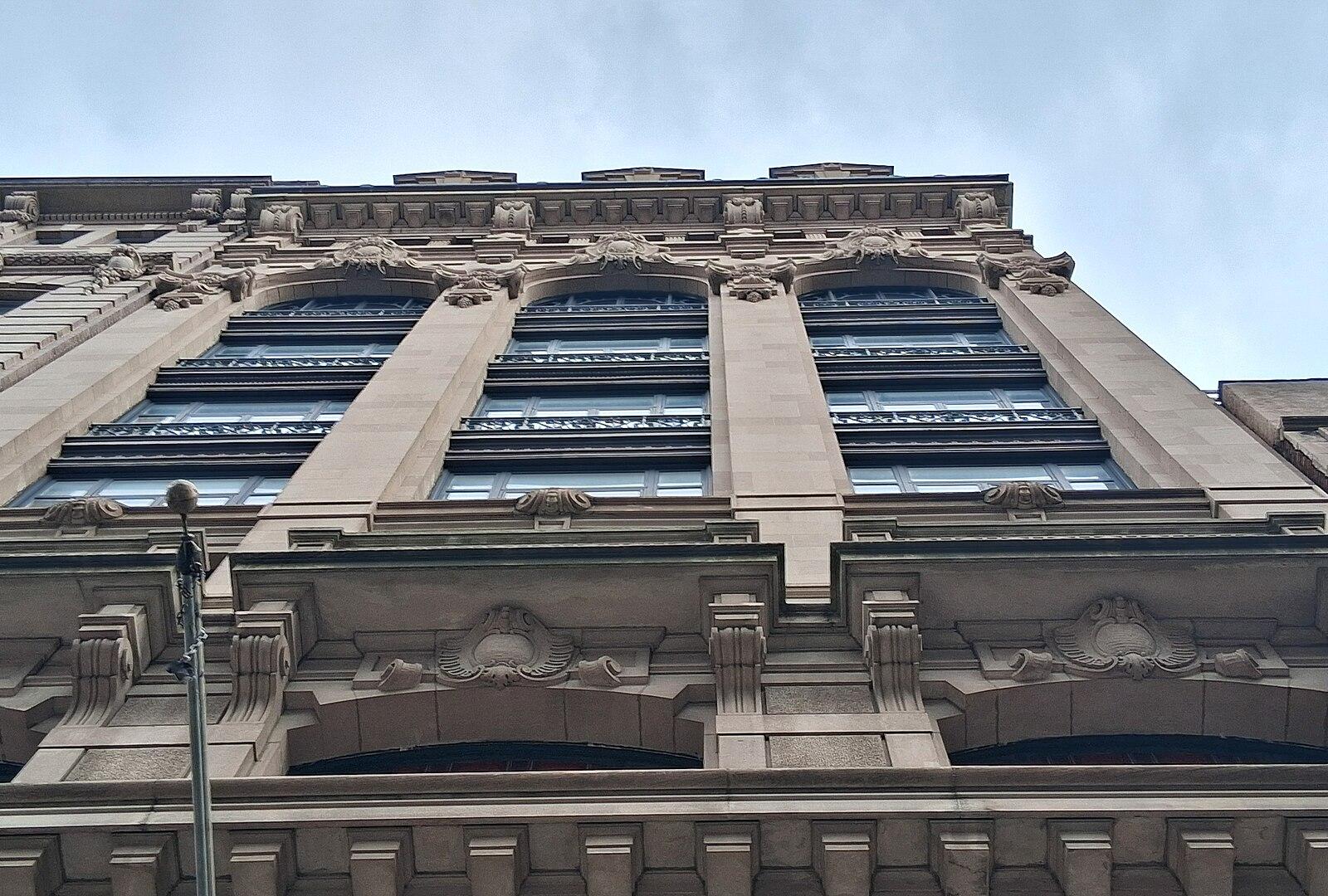
Workplace stress has become the defining health story of mid-2026. The American Institute of Stress reported this year that 83 percent of U.S. workers suffer from work-related stress, costing employers an estimated $300 billion annually in lost productivity, absenteeism and turnover. In SoHo, where open-plan creative studios, tech startups and fashion-industry showrooms pack the blocks between Canal Street and Houston, the pressure is anything but abstract.
The timing matters. A global conversation about hormones, burnout and the body's stress response has moved from specialist clinics into the mainstream. Discussions around cortisol, testosterone and melatonin disruption caused by chronic overwork are no longer niche concerns; they're landing in general practitioners' offices and HR inboxes alike. Meanwhile, economists tracking New York City's post-pandemic labor shifts note that job dissatisfaction has quietly spiked among 25-to-40-year-olds concentrated in creative and knowledge-economy roles, exactly the demographic that dominates SoHo's workforce. Feeling financially trapped while emotionally depleted is real, and it is common.
What You're Actually Entitled To
Most SoHo workers don't know their rights. Under New York City's Earned Safe and Sick Time Act, employees can use accrued leave for mental health treatment without disclosing a specific diagnosis to their employer. If your company has 15 or more employees, the NYC Human Rights Law also requires reasonable accommodations for mental health conditions, including anxiety disorders and depression, classified under the Americans with Disabilities Act. The New York City Department of Health's ThriveNYC program, relaunched with a restructured $110 million budget in late 2024, maintains a 24-hour mental health support line at 1-888-NYC-WELL, staffed by licensed counselors, at no cost to callers.
Workers experiencing a mental health crisis on the job also have the right to step away. Under OSHA's General Duty Clause, employers must provide a work environment free from recognized hazards, and precedent increasingly supports psychological hazards falling under that definition. Document everything: dates, incidents, any communications with HR. That paper trail matters if you ever need to escalate.
SoHo's Local Support Network
You don't need to commute uptown to find real help. The Spring Street Natural wellness corridor, running from West Broadway toward Wooster Street, has seen a cluster of mental health-adjacent services establish themselves over the past two years. Moment Health, operating out of a quiet second-floor suite on Mercer Street, offers sliding-scale therapy appointments starting at $45 per session for New York City residents who provide proof of income. Their waitlist as of June 2026 is running about 10 days, short by Manhattan standards.
The SoHo location of The Wing, which reopened its Prince Street space in March 2025 after its national restructuring, now hosts twice-monthly free drop-in sessions facilitated by licensed social workers, open to members and non-members on alternate Thursdays. The format is structured peer support, not therapy, but attendees report it as a meaningful first step. For workers whose employers offer an Employee Assistance Program, or EAP, New York-based provider LifeWorks confirmed this spring that the average EAP covers six to eight free counseling sessions per year, a benefit that roughly 60 percent of eligible employees never use.
The data is blunt: the World Health Organization estimates that depression and anxiety disorders cost the global economy $1 trillion per year in lost productivity. For any single worker sitting at a standing desk in a Greene Street loft, grinding through a bad quarter, that number probably feels both enormous and oddly comforting, because it means you are not alone in this, and the problem is structural, not personal.
The practical next step is straightforward. Pull up your employee handbook this week and locate your EAP contact. If your workplace doesn't have one, call 1-888-NYC-WELL. Book the Mercer Street appointment if you've been putting it off. The Thursday session at Prince Street costs nothing. SoHo's wellness culture has long leaned toward the physical, the boutique gyms, the juice bars on Broadway, but the conversation is shifting toward what happens above the neck. Your job is to be part of that shift, starting with yourself. As always, for personal health concerns, speak with a local medical professional who knows your full history.