wellness
Sleep Scientists Reveal How Soho Residents Nap Wrong
SoHo's wellness-obsessed residents are rethinking the midday rest, and sleep scientists say the difference between a power nap and a sleep wrecker comes down to minutes.
How we reported this
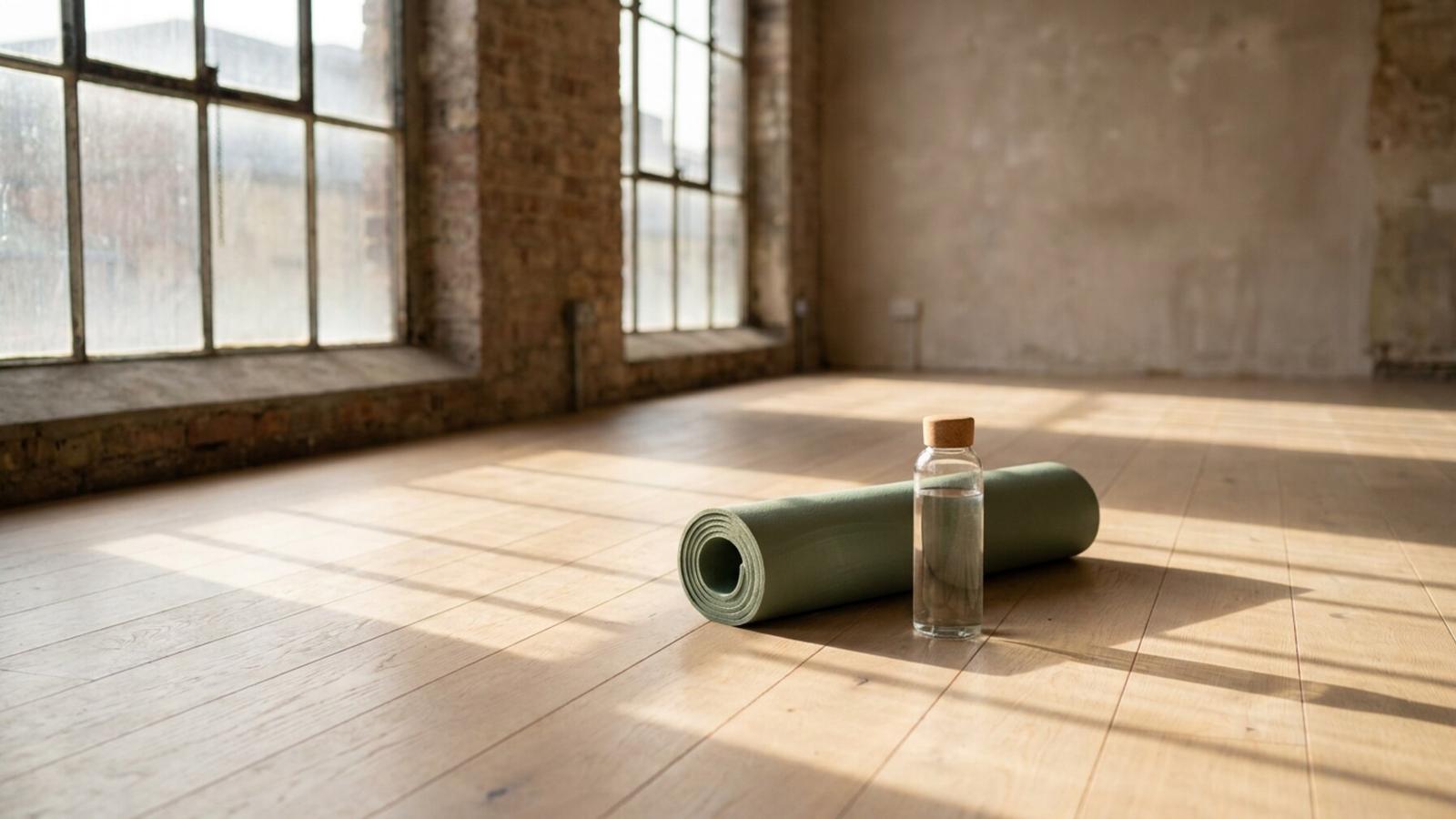
Twenty minutes. That's the number sleep researchers keep landing on as the sweet spot for a daytime nap, long enough to restore alertness and motor performance, short enough to avoid the groggy fog that can follow deeper sleep. In SoHo, where boutique fitness studios line Prince Street and productivity culture runs hot, the midday nap has quietly become a wellness talking point, complicated by the fact that most people are doing it wrong.
Hormones, circadian rhythms, and lifestyle choices are all under renewed scrutiny right now. Conversations about melatonin regulation and cortisol timing have moved from specialist clinics into mainstream wellness spaces, which means the humble nap, once treated as either a luxury or a sign of laziness, is getting a harder look. For the active, often sleep-deprived residents of a neighbourhood packed with late-night restaurants, early-morning yoga classes, and irregular creative-economy schedules, getting napping right isn't trivial.
The SoHo Sleep Culture Problem
Two local wellness operations are already positioning themselves around sleep recovery. The Spring Street outpost of Rest & Reset, a recovery-focused studio on the corner of Spring and Mercer, offers what it calls "guided nap sessions", 25-minute bookable slots using breathwork and a low-light environment, priced at $28 per session. A few blocks north, the Wooster Street location of The Recovery Club has added a "nap pod" zone to its post-workout recovery floor, part of a $3.2 million renovation completed in March 2026. Both businesses report that weekday afternoon bookings, roughly between 1 p.m. and 3 p.m., are their most consistently full slots.
That timing isn't accidental. The post-lunch dip in alertness, sometimes called the post-prandial dip, is a genuine physiological event. Core body temperature drops slightly between roughly 1 p.m. and 3 p.m. regardless of whether you've eaten, driven by the body's internal clock. A short nap taken in that window aligns with natural biology. A nap taken at 5 p.m., on the other hand, starts borrowing against nighttime sleep pressure, the accumulation of adenosine in the brain that makes you want to sleep at bedtime.
When the Nap Becomes the Problem
Duration is where most people get into trouble. A 2023 study published in the journal Sleep Health tracked 3,819 adults and found that naps exceeding 30 minutes were associated with a 27 percent higher likelihood of difficulty falling asleep at night. Naps under 20 minutes showed no such association. The mechanism is straightforward: anything beyond light Stage 2 sleep pulls the brain into slow-wave sleep, and waking from that state produces sleep inertia, the groggy, disoriented feeling that can last 30 to 60 minutes and temporarily impairs reaction time and decision-making.
Caffeine napping, drinking a coffee immediately before lying down for a 20-minute nap, has actual research support. Caffeine takes roughly 20 to 25 minutes to clear the gut and begin blocking adenosine receptors, so the timing lines up with waking. Several SoHo café regulars on West Broadway swear by it. The science, at least, doesn't disagree.
Chronic nappers, people who feel compelled to nap daily regardless of nighttime sleep quality, are a different case. Habitual long napping can sometimes signal underlying sleep disorders, including sleep apnea, or circadian disruption. Anyone experiencing persistent daytime fatigue despite apparently adequate nighttime sleep should speak to a sleep specialist or GP rather than treating naps as the solution.
For SoHo residents trying to calibrate their own rest habits, the practical framework is fairly clean. Keep naps to 10 to 20 minutes. Take them before 3 p.m. Use an alarm, no exceptions. And treat habitual exhaustion as a signal worth investigating, not just managing. Rest & Reset is running a four-week sleep optimisation program starting July 14, covering nap timing alongside nighttime sleep hygiene, for $195. For those who prefer the DIY route, a dark room, a timer, and a willingness to actually get up when it goes off are free.