wellness
Eat Well, Spend Less: Park Slope's Best Budget Nutrition Tips
Fresh produce, community resources, and a few insider tricks can keep your grocery bill manageable without sacrificing what's on your plate.
How we reported this
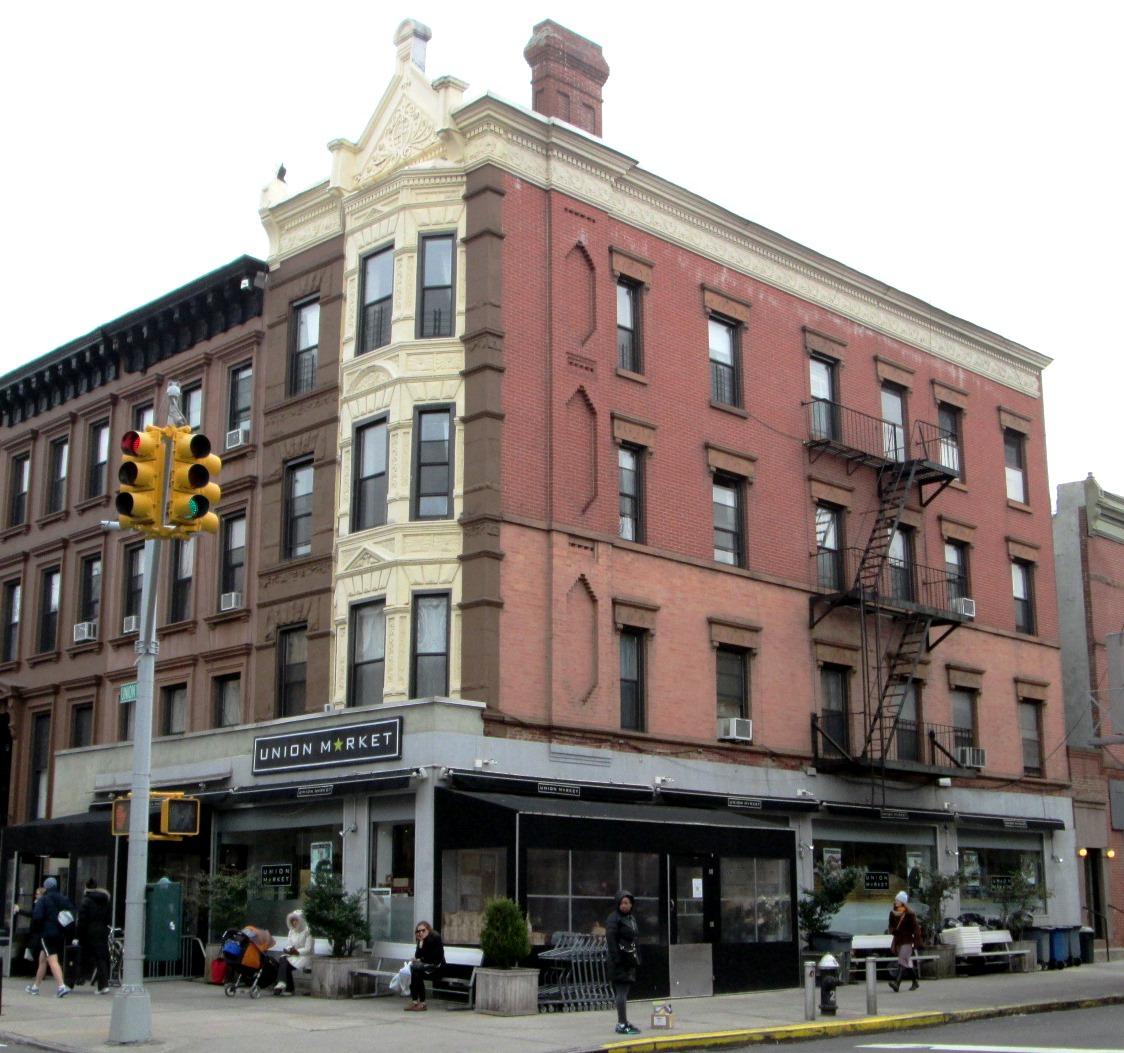
Eggs at the Fifth Avenue Key Food ran $6.49 a dozen last week. A bunch of kale at the Union Market on 7th Avenue hit $3.79. For Park Slope households already stretched by rent, the math on eating healthily in Brooklyn is getting harder to ignore. Across New York City, food costs climbed roughly 4.2 percent over the past twelve months, according to the Bureau of Labor Statistics Consumer Price Index data released in June 2026, outpacing wages for most working families.
The timing matters. Mid-summer marks peak farmers market season, which means the single best window of the year for budget-conscious shoppers to close the gap between cheap and nutritious. Seasonal produce floods local stalls at prices that routinely undercut supermarkets, particularly for items like corn, zucchini, tomatoes, and stone fruit. Miss this window and you'll be back to paying premium for hothouse vegetables come October.
Shop Local, Spend Smarter
The Grand Army Plaza Greenmarket, open every Saturday from 8 a.m. at the top of Prospect Park, remains the neighborhood's most obvious starting point. Vendors from farms within roughly 250 miles of the city, including Gorzynski Ornery Farm out of Cochecton Center and Lani's Farm from New Jersey, typically offer late-day markdowns of 20 to 30 percent in the final hour before 3 p.m. close. A full tote of mixed vegetables for under $20 is genuinely achievable if you show up at 2:15.
Two blocks south, the Food Pantry at the 4th Street Co-op adjacent community, specifically, the Park Slope Food Coop on Union Street between 6th and 7th Avenues, operates on a membership model that cuts grocery costs significantly. The Coop charges a $25 initiation fee plus annual dues of $25, and members who work a 2-hour-45-minute shift every four weeks access food at prices typically 20 to 40 percent below retail. For a family spending $300 a month on groceries, that can translate to $60 to $120 in monthly savings. Applications are open year-round at the front desk.
For households who qualify, the city's Health Bucks program doubles the value of SNAP benefits spent at participating farmers markets, including Grand Army Plaza, every Saturday through November. Each $5 in SNAP spent generates $2 in Health Bucks, usable on fruits and vegetables only. The city distributed more than $1.6 million in Health Bucks citywide in 2025. The program runs through the NYC Department of Health and Mental Hygiene and requires no pre-registration beyond an active EBT card.
Building a Cheap, Balanced Plate
Nutrition-wise, the most cost-effective anchors for a Park Slope kitchen right now are dried legumes, eggs, whole grains, and whatever vegetable is most abundant at market. A pound of dried black beans from the Coop runs around $1.89 and yields six to eight servings. Combine with brown rice, about $1.40 a pound, and you have a complete protein at roughly 40 cents a serving, with no sacrifice in fiber or micronutrient density. Nutritionists affiliated with NYU Langone Health consistently point to legume-forward diets as among the most evidence-backed approaches for long-term cardiovascular health.
Batch cooking on Sundays dramatically lowers the cost-per-meal across a week. A pot of lentil soup using Prospect Lefferts Gardens-sourced carrots and celery from the Coop, seasoned with cumin and smoked paprika, costs under $6 total and feeds four adults twice. Frozen vegetables, often dismissed as inferior, retain comparable vitamin content to fresh and cost significantly less, particularly during winter. The 5th Avenue Bravo Supermarket stocks frozen spinach and peas year-round at prices well below the produce aisle.
Anyone who wants tailored guidance should book a session with a registered dietitian rather than relying on general advice, several practices operate out of offices on 7th Avenue and accept insurance through the NY State of Health marketplace. The Coop also maintains a community bulletin board near the front entrance with rotating listings for local nutrition workshops, several of which run free or on a sliding scale through the summer.