wellness
Five Seasonal Recipes Using Local Produce Available Right Now in Greenwich Village
From the Union Square Greenmarket to Bleecker Street's specialty shops, summer's best ingredients are here, and your kitchen has no excuse.
How we reported this
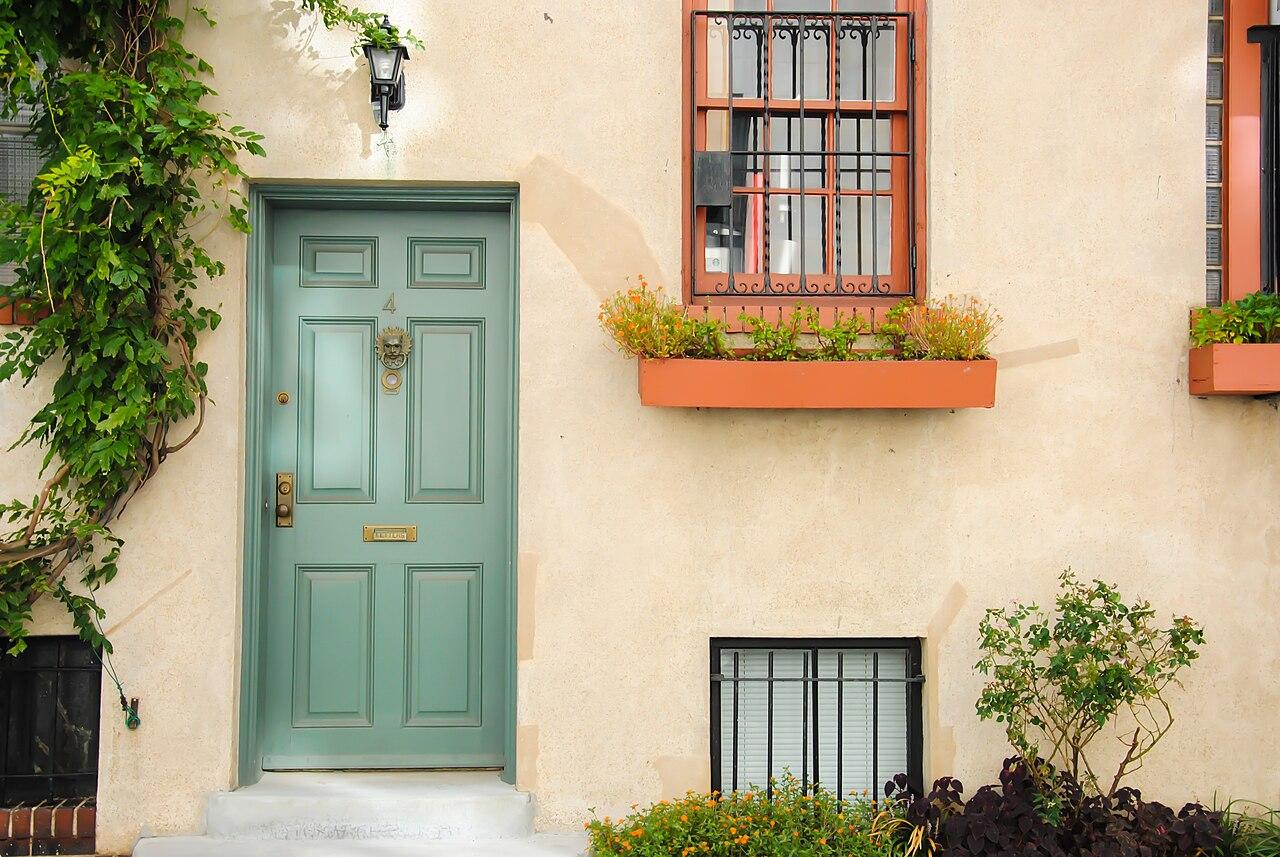
The Fourth of July table looks different when you skip the supermarket. Right now, within a ten-minute walk of Sheridan Square, farmers and vendors are selling peak-summer tomatoes, sweet corn, zucchini blossoms, stone fruit, and fresh herbs that will outlast anything trucked in from a distribution warehouse. The case for cooking seasonally has never been easier to make in Greenwich Village.
This matters in early July for a simple reason: the regional harvest window for many of these crops is short. New York's summer produce season, particularly for tomatoes and corn from Hudson Valley farms, typically peaks between late June and mid-August. Once September arrives, the variety narrows sharply. Eating now means eating at the nutritional top of the curve; freshly harvested vegetables lose measurable amounts of vitamin C and folate within 24 to 48 hours of picking, according to published research from the University of California Davis Postharvest Technology Center.
The Union Square Greenmarket, open Mondays, Wednesdays, Fridays, and Saturdays at 17th Street and Broadway, a short subway ride or a brisk walk up Seventh Avenue from the Village, is the anchor for any serious seasonal cook in lower Manhattan. Ronnybrook Farm Dairy and Migliorelli Farm are among the regular vendors carrying produce that turns up reliably in July. Closer to home, Integral Yoga Natural Foods on West 13th Street stocks a rotating selection of organic local produce and has done so for decades, making it a dependable fallback for Village residents who miss market days.
Five Dishes Worth Making This Week
Start with a raw zucchini ribbon salad. Use a vegetable peeler on two medium zucchini, toss the ribbons with lemon juice, good olive oil, torn mint, and shaved pecorino. It takes eight minutes and requires no heat, a genuine advantage in a Village apartment on a July afternoon.
Second: corn and basil fritters. Cut the kernels from three ears of just-bought sweet corn, fold them into a simple batter with fresh basil and a pinch of smoked paprika, and pan-fry in small rounds. Serve with a dollop of plain yogurt. The sweetness of corn bought the same morning makes the difference.
Third, a stone fruit and arugula salad built around whatever peaches or nectarines look best at the market that morning. Slice them thin, lay over a bed of arugula from Paffenroth Gardens, a Hudson Valley grower that appears regularly at Union Square, and finish with toasted walnuts and a sharp red wine vinaigrette.
Fourth: stuffed zucchini blossoms. This is the one dish that rewards arriving at the Greenmarket early, because blossoms sell out fast. Fill them loosely with ricotta, lemon zest, and a pinch of chili flake, then pan-fry in olive oil for two minutes per side. They collapse into something luxurious.
Fifth, close the week with a slow-roasted tomato pasta. Halve a pound of mixed heirloom tomatoes, the kind that actually smell like something, drizzle with olive oil, and roast at 300 degrees Fahrenheit for 90 minutes until jammy. Toss through spaghetti with garlic, capers, and fresh parsley. The tomatoes do the work.
Keeping It Affordable on a Village Budget
None of these recipes require spending heavily. A full haul for all five dishes, enough to feed two people across a week of dinners, should run between $45 and $60 at Union Square Greenmarket prices in July 2026, depending on vendor and variety. The SNAP Health Bucks program doubles the value of SNAP benefits spent at participating New York City Greenmarkets, adding up to $2 in Health Bucks for every $2 spent, making fresh local produce accessible well beyond the premium-grocery crowd.
The practical advice is straightforward: shop Wednesday or Saturday morning, buy what looks best rather than what you planned for, and build the recipe around the produce rather than the other way around. Greenwich Village's active food culture, the cooking classes at the Institute of Culinary Education downtown, the neighborhood's density of specialty shops, means the knowledge and ingredients are both genuinely close at hand. As always, anyone managing specific dietary needs or health conditions should speak with a local medical professional before making significant changes to their eating patterns.