wellness
Prioritizing Preventive Health: A Guide for Flushing Residents
Key strategies to manage your long-term wellness through proactive screenings and lifestyle choices.
How we reported this
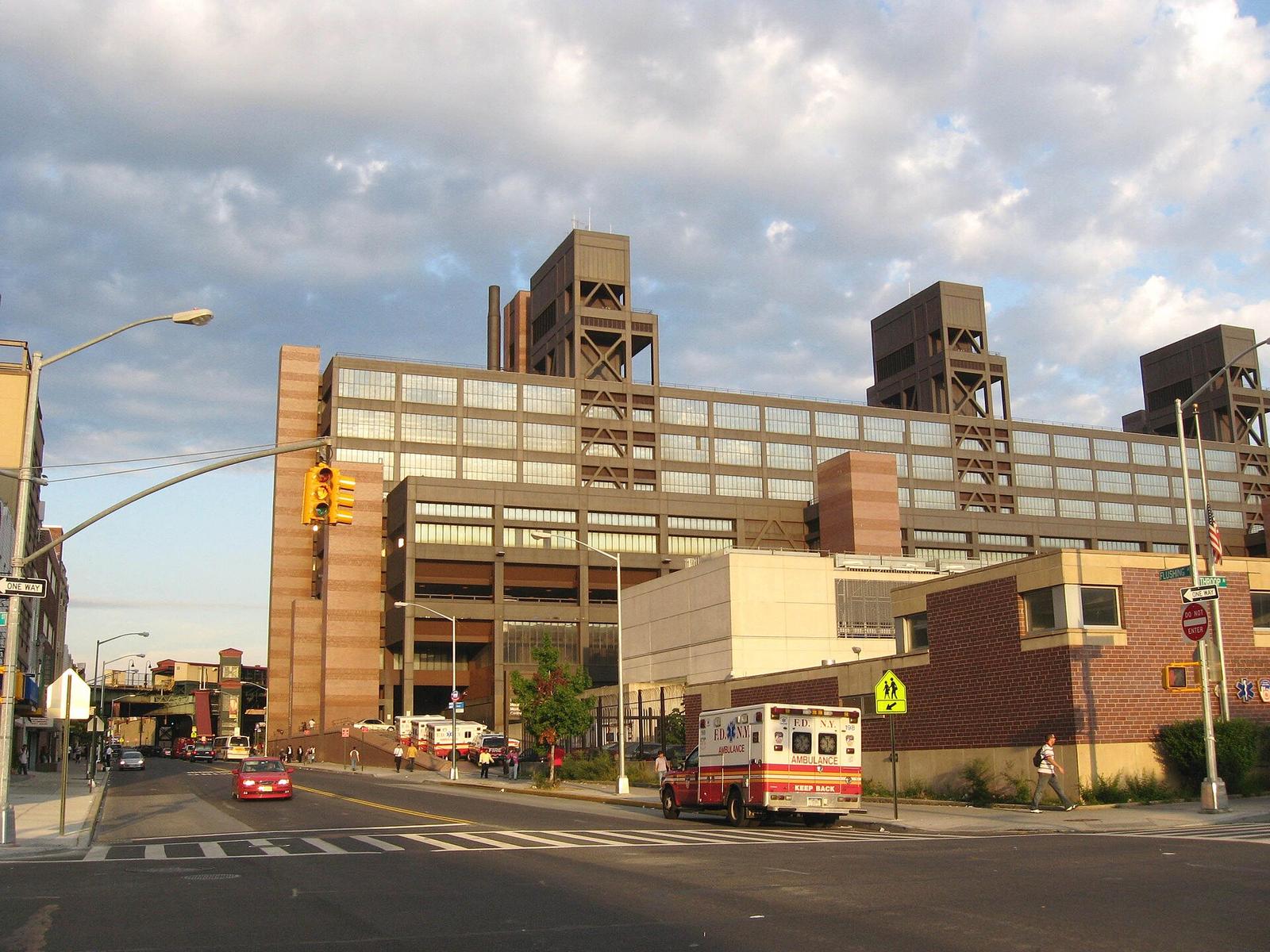
Maintaining long-term health in Flushing requires a proactive approach centered on regular wellness checks and consistent lifestyle habits. Preventive care serves as the primary defense against chronic illness, allowing residents to identify potential health risks early and manage conditions before they escalate. According to the Centers for Disease Control and Prevention, engaging in routine screenings is essential for the timely detection of diseases and ensures that immunizations, such as annual flu shots and HPV vaccinations, remain up to date.
Essential Lifestyle Practices
Evidence-based lifestyle modifications are the foundation of effective preventive health. Medical guidelines recommend that individuals aim for at least 150 minutes of physical activity each week to support cardiovascular and metabolic health. Nutritional choices play an equally significant role, with guidance emphasizing the consumption of whole grains alongside a variety of fruits and vegetables. To further reduce health risks, experts advise against the use of tobacco products. For those who consume alcohol, moderation is key; current health recommendations suggest limiting intake to no more than one drink per day for women and no more than two drinks per day for men.
Local Priorities and Community Health
Flushing-specific health planning has identified targeted areas for improvement to enhance the well-being of the local population. Reports from Flushing Hospital Medical Center have historically highlighted the need for increased focus on community health priorities, including the reduction of tobacco use and the improvement of HIV testing rates. Addressing these public health goals involves both clinical outreach and community education programs. Additionally, historical data from 2013 noted that exclusive breastfeeding rates were 11.2%, serving as a metric for past community health initiatives that continue to inform local outreach strategies.
Accessing Preventive Care
Residents have access to a range of local resources designed to facilitate routine medical maintenance. Facilities such as the Flushing Hospital Medical Center provide structured community service plans, while other providers like CenterHealth Medical offer comprehensive primary and preventive care services. Navigating the health system effectively often begins with scheduling a standard wellness check, which can include age-appropriate screenings and risk assessments. Individuals are encouraged to consult with their primary care providers to develop a personalized health roadmap that incorporates these evidence-based practices. For those seeking specialized guidance, such as information on sinus maintenance or other specific health inquiries, local resources like the KDLNC nasal flush syringe guide offer supplementary information to aid in managing day-to-day comfort. Consistent engagement with these services remains the most effective strategy for sustaining health over the long term.