wellness
Flushing Residents Transform Sleep With Science-Backed Wind-Down Routines
Flushing's wellness community is adopting evidence-based pre-sleep rituals, and researchers say the payoff goes well beyond feeling rested.
How we reported this
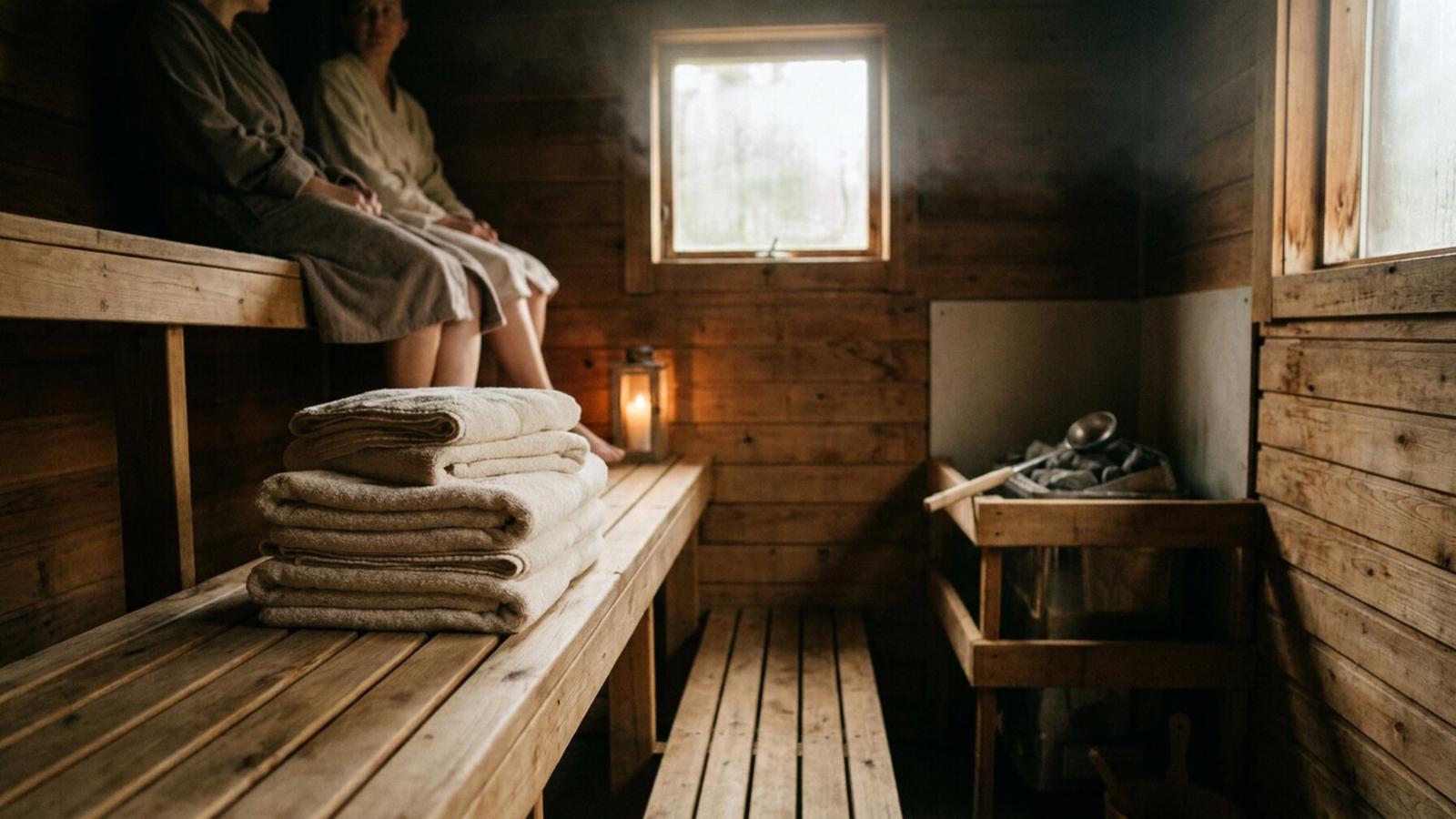
Sleep scientists have a blunt message for anyone scrolling their phone at 11 p.m.: the last 90 minutes before bed are the most consequential stretch of your entire day. A growing body of research, including a 2024 meta-analysis published in Sleep Medicine Reviews covering more than 65,000 participants, confirms that a consistent wind-down routine can cut the average time to fall asleep by up to 45 percent. In Flushing, where the Main Street corridor hums past midnight and many residents juggle split-shift schedules, that number means something real.
Interest in structured sleep hygiene has surged here partly because the conversation around hormones, stress recovery, and longevity has grown louder. Discussions circulating online about melatonin timing and cortisol management have pushed everyday people to look harder at what they actually do in the final hour before lights-out. The question is no longer whether wind-down routines work, it's which specific habits move the needle.
What the Science Actually Says
Core temperature is the body's primary sleep trigger. Research from the National Sleep Foundation shows that the bedroom needs to drop to roughly 65-68°F (18-20°C) to allow the core temperature decline that initiates deep sleep. A warm shower or bath taken 60 to 90 minutes before bed paradoxically accelerates that cooling process, the heat draws blood to the skin's surface, and when you step out, your core temperature falls faster than it would at rest. That single habit, according to a 2019 University of Texas meta-study, shortened sleep-onset time by an average of 10 minutes.
Light is the second lever. Blue-spectrum light from screens suppresses melatonin production for up to three hours. Switching to warm-spectrum lighting after 9 p.m., or using blue-light-blocking glasses, lets the brain's suprachiasmatic nucleus do its job without interference. Consistent sleep and wake times matter more than most people expect: shifting bedtime by even 90 minutes on weekends creates a jet-lag effect researchers call social jetlag, which is linked to elevated fasting glucose and increased cortisol the following week.
Breath-work is the cheapest tool available. The 4-7-8 technique, inhale for four counts, hold for seven, exhale for eight, activates the parasympathetic nervous system within two to three cycles. It requires no equipment and costs nothing.
Finding Support in Flushing
You don't have to figure this out alone. The Flushing YMCA on Union Street runs a six-week Restorative Wellness workshop series, currently priced at $85 for members and $120 for non-members, which dedicates its third session specifically to sleep architecture and pre-bed routines. Instructors there work through progressive muscle relaxation and guided body-scan meditation, two techniques with solid clinical backing for reducing pre-sleep cognitive arousal, the racing-thoughts problem that keeps urban residents awake long after the city quiets down.
A few blocks north, the Queens Botanical Garden on Main Street offers free Friday-evening tai chi sessions through July and August, starting at 6:30 p.m. Tai chi practiced in the early evening, not immediately before bed, has been shown in a 2021 Journal of Sleep Research trial to improve sleep quality scores in adults over 50 by 18 percent after eight weeks of practice. The gentle movement, combined with time outdoors before dusk, helps anchor circadian rhythms without the cortisol spike that a hard gym session after 8 p.m. can trigger.
For residents who want to go deeper, the Flushing branch of the Queens Public Library on Kissena Boulevard stocks several evidence-based titles, including Matthew Walker's Why We Sleep and the more recent The Sleep Prescription by Dr. Aric Prather. Both are available for digital loan through the SimplyE app at no cost.
The practical starting point is simpler than any app or supplement. Pick a consistent bedtime, say, 10:45 p.m., and work backward. Warm shower at 9:15. Screens off at 9:45. Ten minutes of breath-work or reading under a warm lamp. That's the routine. Run it for two weeks without exception before judging results. Sleep debt doesn't clear in a night, but the research is unambiguous: the body rewards consistency faster than almost any other lifestyle change. Anyone concerned about chronic insomnia or underlying sleep disorders should speak with a local medical professional before self-managing symptoms.