wellness
Wired and Tired: Why DUMBO Residents Are Sleeping Worse, And What To Do About It
From late-night screen glow under the Manhattan Bridge to the financial anxiety keeping renters awake, sleep quality in DUMBO is deteriorating, but local experts and venues are pushing back.
How we reported this
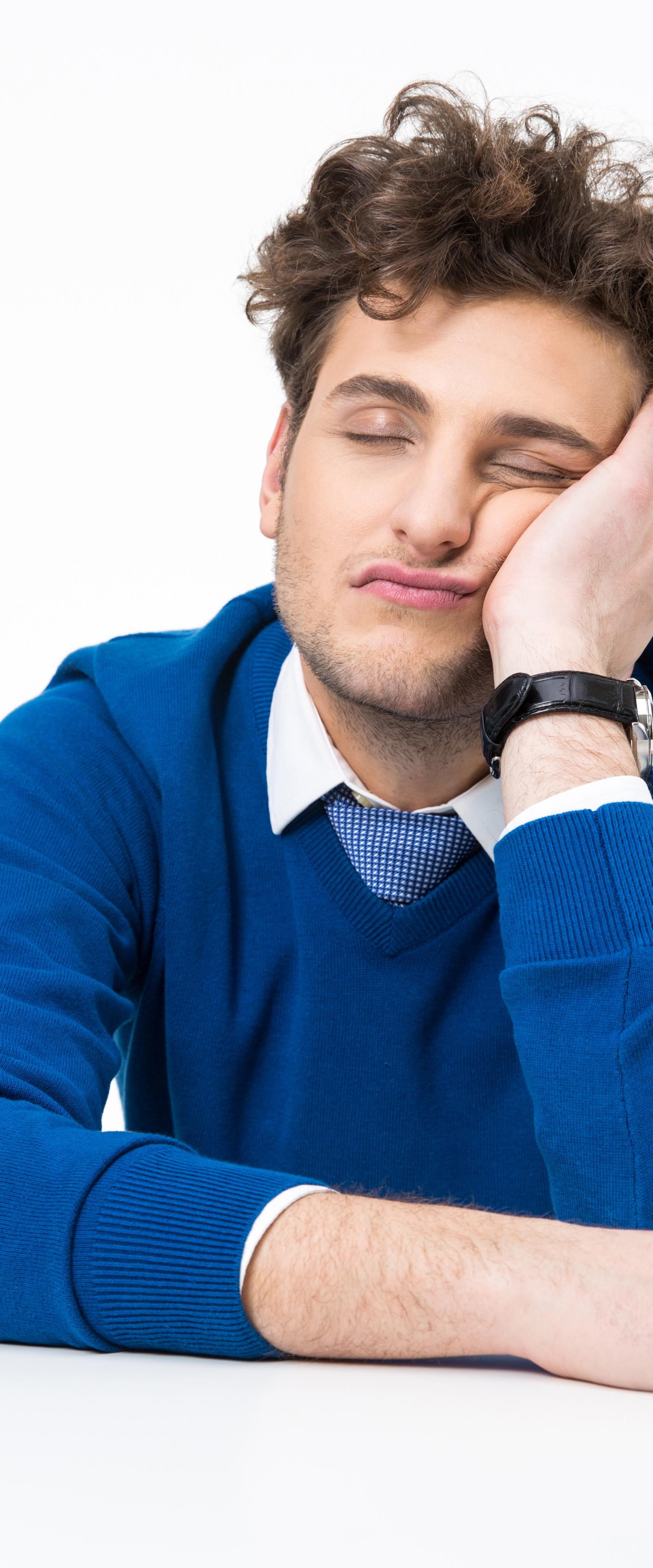
Americans are getting roughly 6.5 hours of sleep per night on average, down from nearly eight hours recorded in studies from the 1940s. In dense, high-stimulus neighborhoods like DUMBO, sleep researchers say the gap is likely even wider. The reasons stack up fast: ambient light from the Manhattan and Brooklyn bridges, the persistent hum of delivery infrastructure along Water Street, and a post-pandemic work culture that has dissolved the boundary between the desk and the bedroom.
This matters right now because the cumulative toll of sleep debt is no longer a fringe concern, it has moved squarely into public health territory. The American Academy of Sleep Medicine reported in 2025 that insufficient sleep costs the U.S. economy approximately $411 billion annually in lost productivity. Locally, the pressure is specific: DUMBO's median one-bedroom rent sits around $4,200 a month as of mid-2026, and financial stress is among the top three self-reported causes of insomnia nationwide, according to a 2025 survey by the Sleep Foundation. When rent consumes that much of a paycheck, the mind does not clock out at 10 p.m.
What DUMBO's Wellness Community Is Doing About It
A handful of local businesses have noticed. The Front Street Yoga studio on Front Street between Jay and Pearl streets added a dedicated "Sleep Reset" workshop series in January 2026, a six-week program combining breathwork, yoga nidra, and guided journaling, priced at $180 for the full series. Instructors there describe the demand as unlike anything they saw pre-pandemic. Spots fill within 48 hours of each cohort opening.
Meanwhile, Brooklyn Roasting Company's DUMBO location on Manhattan Bridge Plaza has quietly introduced a "post-2 p.m. decaf only" signage campaign, a nudge rather than a mandate, but one that reflects growing awareness among local hospitality workers about caffeine's half-life. Caffeine consumed at 2 p.m. is still 25 percent active in your bloodstream at midnight, a fact sleep physiologists have flagged for years that most people simply ignore.
DUMBO's Empire Stores complex has also become a testing ground for wellness retail. Two tenants in the 53 Water Street building now carry blue-light blocking glasses and magnesium glycinate supplements, both of which have seen a sharp uptick in consumer interest since broader reporting on hormonal sleep disruptors picked up momentum earlier this summer.
The Practical Changes That Actually Shift the Numbers
Sleep medicine is fairly blunt about what works. Keeping a consistent wake time, including weekends, is the single most evidence-backed behavioral intervention for improving sleep architecture. A 2024 meta-analysis in the journal Sleep found that people who varied their wake time by more than 90 minutes across the week were 72 percent more likely to report daytime fatigue, regardless of total hours slept.
For DUMBO residents dealing with light pollution from the bridges, blackout curtains are not optional décor, they're functional equipment. Several residents in the 1 Main Street and 70 Washington Street buildings have documented the problem in local Facebook groups, with amber streetlights and bridge floodlights registering on basic lux meters well above the 10-lux threshold the American Academy of Sleep Medicine identifies as disruptive to melatonin production.
Temperature matters too. The optimal sleeping range is 65 to 68 degrees Fahrenheit, which in a DUMBO loft with high ceilings and south-facing windows is often aspirational from May through September. Portable cooling units have become something of a neighborhood staple, the kind of detail that sounds trivial until you realize a one-degree drop in core body temperature is the physiological trigger for sleep onset.
The most consistent advice threading through sleep research right now is deceptively simple: get morning sunlight before 9 a.m. The East River waterfront path running from the Main Street Park down toward Brooklyn Bridge Park offers a practical route for that. Ten to fifteen minutes of outdoor light exposure before checking a phone recalibrates the circadian clock in ways that no supplement fully replicates. It requires nothing except leaving the building, which, on a July morning in DUMBO, is rarely a hardship. Consult a local medical professional for any persistent or serious sleep concerns.