wellness
Pedal Without Fear: The Best Cycling Routes for DUMBO Families and Beginners
From the Brooklyn Bridge Park waterfront to the protected lanes along Jay Street, DUMBO has more beginner-friendly cycling options than most riders realize.
How we reported this
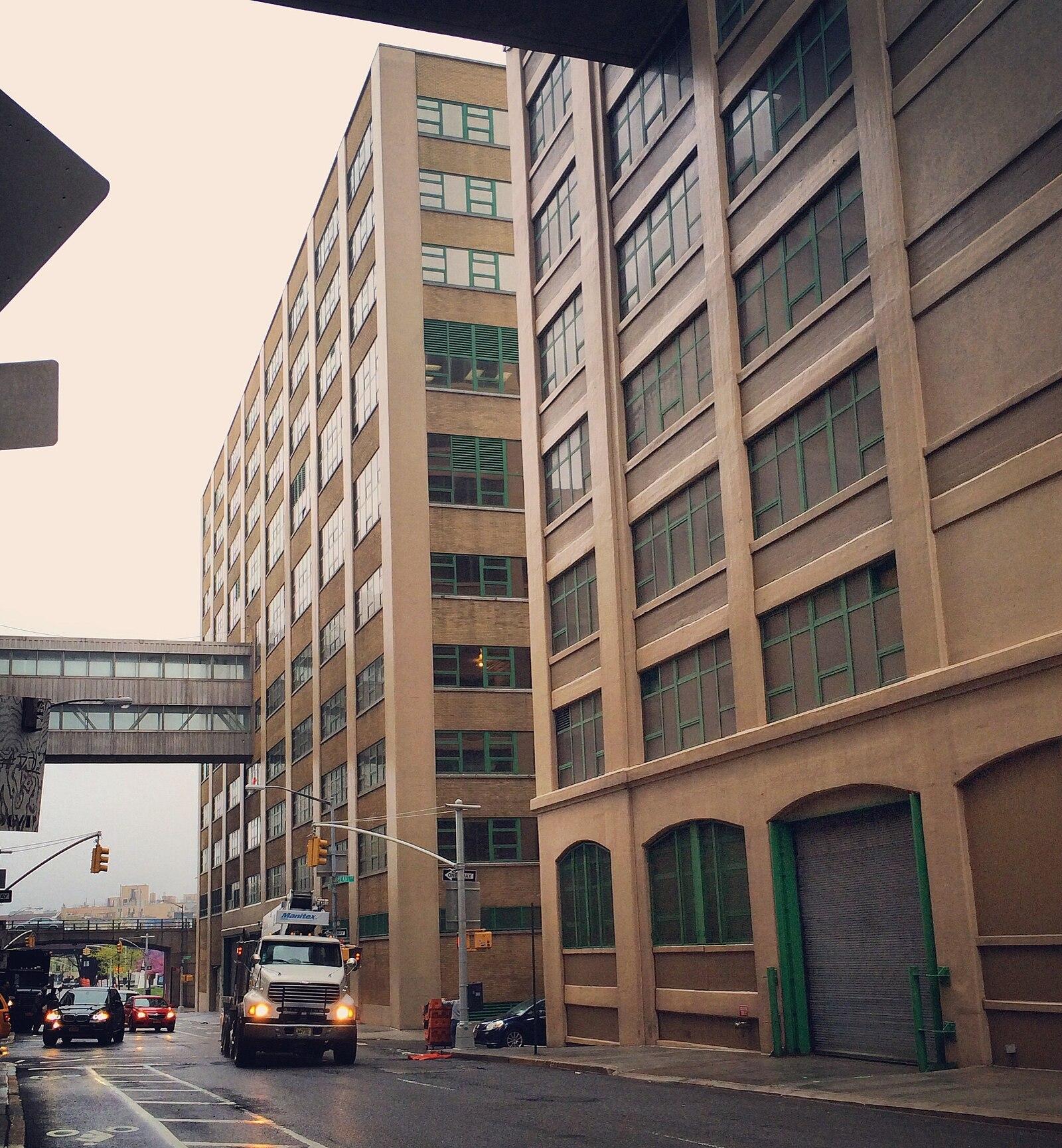
The number of cyclists logging miles through DUMBO's waterfront corridors jumped roughly 34 percent between 2023 and 2025, according to New York City Department of Transportation counters installed near the Manhattan Bridge anchorage. The surge hasn't slowed. On any given weekend morning in July, the stretch of Furman Street running alongside Brooklyn Bridge Park looks less like a city road and more like a community bike parade, kids on balance bikes, parents on cargo e-bikes, retirees on hybrids, all sharing space that, five years ago, felt genuinely hostile to anyone without clipped-in shoes and a racing helmet.
That shift matters right now for a specific reason. Summer school break runs through late August, and families who live in the DUMBO, Vinegar Hill, and Brooklyn Heights corridors are actively looking for outdoor activities that don't require a car, a membership fee, or a high tolerance for risk. Cycling ticks all three boxes, if you know which streets to use.
Where to Start: The Protected Routes Worth Knowing
Brooklyn Bridge Park's internal path system is the obvious entry point. The park's main promenade runs from Pier 1 at the northern end, near Old Fulton Street, all the way south past Pier 6, covering just over 1.3 miles of largely car-free surface. The pavement is smooth, the sightlines are long, and the path is wide enough that a family riding two abreast doesn't create a bottleneck. Pier 2 has a bike rental kiosk operated seasonally by a local vendor, with standard cruisers available for around $15 an hour as of this summer, a reasonable entry point for visitors or residents who haven't yet invested in their own wheels.
Jay Street is underrated. The protected lane running northward from the Atlantic Avenue intersection toward the Manhattan Bridge overpass gives beginners a genuine buffer from truck traffic, which is otherwise a real deterrent in this neighborhood. The lane isn't perfect, delivery vehicles park in it at least a dozen times per block during peak hours, but early mornings before 8 a.m. and weekend afternoons consistently offer clean passage. From Jay Street, confident beginners can connect to the Sands Street bike lane and reach the Manhattan Bridge bike path, which deposits riders across the East River at Centre Street in about 12 minutes at a moderate pace.
Washington Street, the photogenic block best known for its Manhattan Bridge framing, also carries a marked bike lane, though foot traffic from tourists peaks between 10 a.m. and 3 p.m. daily. Families with young children are better served using it early or late.
Resources, Safety, and What to Bring
Transportation Alternatives, the New York-based cycling advocacy nonprofit, published an updated borough-by-borough route guide in March 2026 that specifically flags Brooklyn Bridge Park's Pier 1 loop as one of the five most beginner-accessible cycling environments in the five boroughs. The organization runs free group rides departing from Cadman Plaza Park on select Saturday mornings through September, a structured way for solo riders or nervous families to learn the routes with experienced guides rather than piecing it together alone.
Helmet laws in New York State require riders under 14 to wear certified helmets. Adults aren't legally mandated to wear them, but the Brooklyn Bridge Park Conservancy's own safety literature, updated in April 2026, strongly recommends helmets for all ages on shared paths. A decent entry-level helmet costs between $35 and $60 at Recycle-a-Bicycle's Fort Greene location, less than 10 minutes by bike from DUMBO's core.
The practical advice for anyone planning a July ride is straightforward. Start at Pier 1 on a weekend morning before 9 a.m., ride south through the park to Pier 6, loop back, and assess comfort level from there. Add the Jay Street protected lane on a second outing. Attempt the Manhattan Bridge crossing, which has a dedicated bike and pedestrian path on the south side, only once you're comfortable with moderate elevation and a bit of wind. The infrastructure is genuinely there. The main thing most beginners lack isn't courage; it's just familiarity with the map. Consult a local cycling coach or visit a community ride if you want personalized guidance tailored to your fitness level.