wellness
Science Says Stop Scrolling at 9 PM: The Best Wind-Down Routines Backed by Sleep Science
DUMBO's active wellness community is finally catching up to what sleep researchers have known for years, the hour before bed matters more than the eight that follow.
Listen in English · 4 min
How we reported this
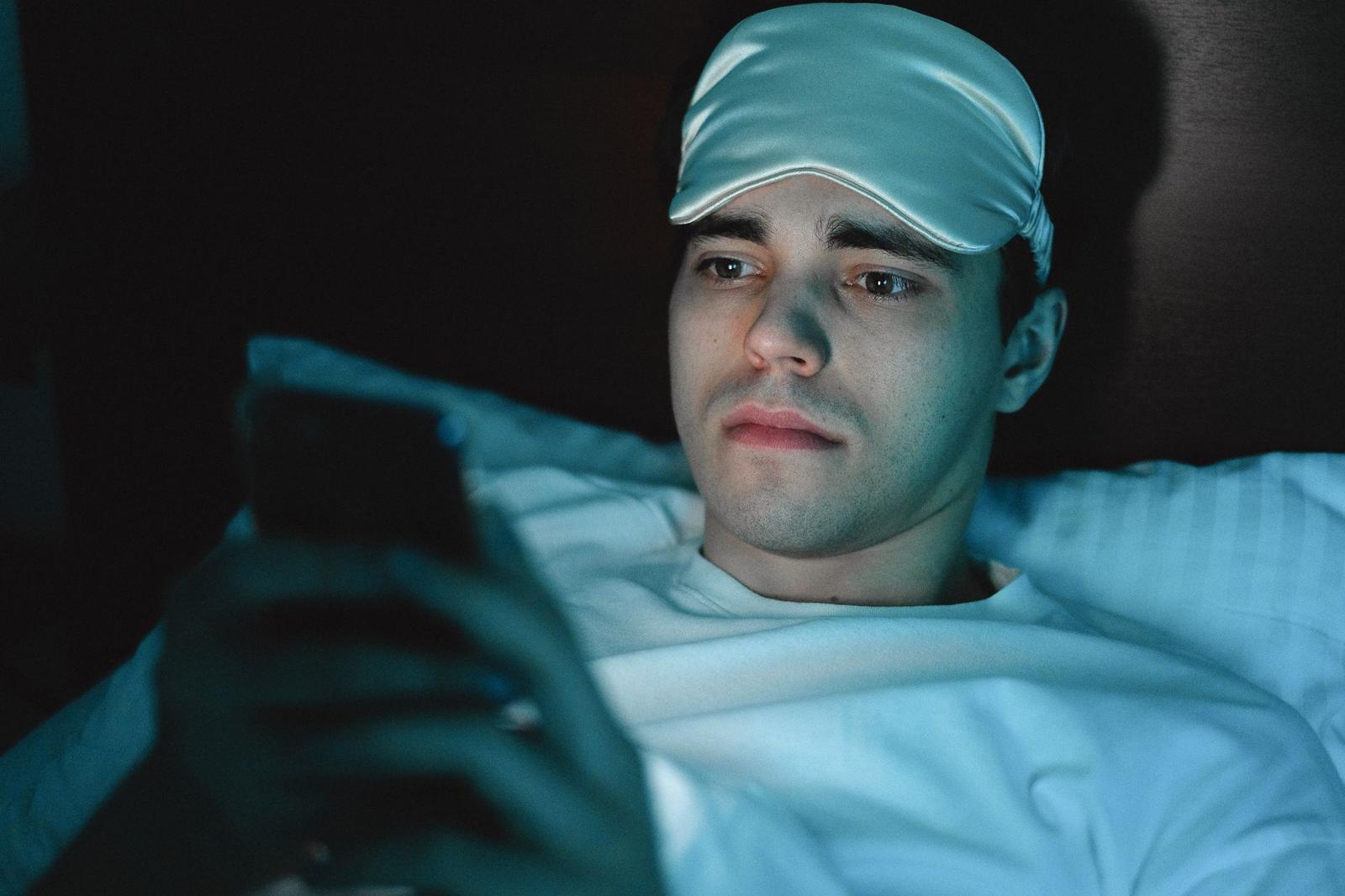
The average adult in the United States gets 6.8 hours of sleep per night, according to Gallup data tracked over the past decade, a full 1.2 hours short of the minimum the American Academy of Sleep Medicine recommends. For residents of DUMBO, where early-morning Bridge runs along the East River Greenway and late-night studio sessions under the Manhattan Bridge coexist in the same calendar week, that deficit hits differently.
Sleep science has shifted its focus in the past five years. Researchers at institutions including Harvard's Division of Sleep Medicine now argue that sleep quality is determined less by what happens at 11 PM and more by what happens at 9 PM, the 90-minute wind-down window that sets the neurological stage for deep, restorative sleep. Melatonin secretion, core body temperature, cortisol clearance: all of these processes need runway, and most of us are cutting them short.
What the Research Actually Says
The science is specific. Blue-light exposure from screens suppresses melatonin production by up to 50 percent, according to a 2023 study published in the Journal of Clinical Sleep Medicine. That's not a small rounding error, it translates to an average delay in sleep onset of 90 minutes. Separate research from the University of California, Berkeley found that adults who lowered their core body temperature by even 1 to 2 degrees Fahrenheit before bed, through a lukewarm shower, cooler room settings, or reduced physical activity, fell asleep 15 minutes faster and reported significantly better morning alertness.
The practical upshot: your phone, your ambient room temperature, and your last meal are doing more to wreck your sleep than any mattress brand will ever fix. A 2024 Consumer Reports survey pegged the average American's spend on sleep-related products, mattresses, supplements, white noise machines, at $312 per year. Most of it is money spent compensating for habits that could simply be changed.
Magnesium glycinate supplements, currently stocked at Clover Grocery on Front Street in DUMBO, have seen a consistent sales uptick since early 2025. The store's wellness section now dedicates a full shelf to sleep-adjacent products, reflecting neighbourhood demand that tracks national trends. Magnesium's role in activating the parasympathetic nervous system is well-documented, though dosing matters, most sleep medicine clinicians suggest 200 to 400 mg taken 30 minutes before bed, and recommend confirming the right approach with a personal physician before starting.
Building a DUMBO-Specific Routine That Sticks
The neighbourhood offers real infrastructure for winding down. Yoga Vida, located at 68 Jay Street, runs a Sunday Restorative class at 7:30 PM, a 75-minute session of supported poses designed specifically to activate the parasympathetic nervous system. Instructors there have built the class structure around the 90-minute pre-sleep window, making it one of the more intentional wind-down offerings in Brooklyn.
For those who prefer movement that doesn't involve a studio, the section of the Brooklyn Bridge Park Greenway between the Main Street entrance and Pier 1 is quiet enough after 8:30 PM for a slow 20-minute walk, the kind of low-intensity movement that drops cortisol without spiking adrenaline. Wearable data from Oura Ring users published in aggregate in early 2026 shows that a 15- to 20-minute evening walk, taken at least two hours before bed, correlates with a 23-minute increase in deep sleep per night.
The routine most consistently supported by research looks like this: screens off at 9 PM, a lukewarm shower around 9:15, a consistent wind-down activity, reading, light stretching, journaling, between 9:30 and 10:30, and a sleep window beginning no later than 10:45 PM. Room temperature set to 65 to 68 degrees Fahrenheit. Phone on the other side of the room, not on the nightstand.
None of this requires a $400 supplement stack or a new mattress. It requires a decision made at 9 PM, repeated nightly, until the body stops fighting the clock it was always designed to follow. Consult a local sleep specialist or general practitioner if persistent insomnia or sleep disruption continues beyond three weeks, the DUMBO Health Center on Washington Street accepts new patients and can refer to sleep medicine if needed.