Technology
DUMBO Tech Leaders Debate Innovation's Role During Global Crises
Local organizers and attendees weigh the promise of innovation against the risks highlighted by war, wildfire, and political upheaval.
How we reported this
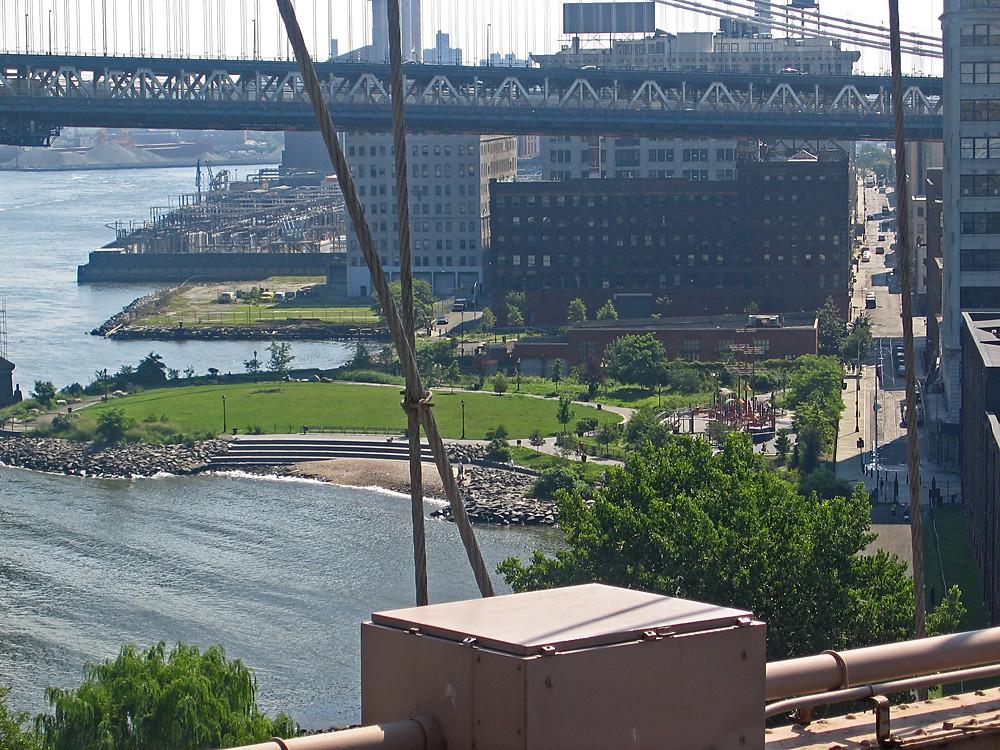
On a humid July evening in DUMBO, a hundred tech workers packed into a co-working space on Pearl Street for a meetup on AI-driven disaster response. The timing felt uneasy. Hours earlier, reports from the BBC confirmed that a bar fire in Bangkok had killed at least 27 people. Across the Atlantic, U.S. and Iranian forces had exchanged strikes near the Strait of Hormuz, and fierce wildfires in Spain had left a British couple badly burned after being rescued from a ravine. The meetup's moderator opened with a blunt question: What happens when the tech we build encounters a world that is literally on fire?
The question captured a tension that has simmered in New York's tech scene for years, but has grown urgent in recent months. The same tools that promise to predict evacuations, coordinate relief supplies, or de-escalate conflict also carry profound risks-bias, surveillance, and unintended escalation. As the world watches the Strait of Hormuz remain officially open but actively contested, and as hard-liners in Iran reportedly press to keep fighting America, DUMBO's developers and entrepreneurs are increasingly being forced to confront the ethical dimensions of their work, not as an abstract debate but as a daily reality.
Ethics on the Agenda
The Pearl Street meetup was the third in a series organized by a local group called 'Responsible Tech NYC,' which has seen attendance double since March. Unlike the typical DUMBO gathering focused solely on venture capital or product launches, this one devoted forty minutes to a roundtable on algorithmic accountability. Several participants raised concerns about how predictive models used by the military or emergency services could embed racial or regional biases. The discussion was raw, with one engineer citing a Guardian report on a record-breaking Ebola treatment trial in the DRC to ask whether tech funding might inadvertently shift resources away from proven public-health interventions.
Organizers say they have struggled to keep the conversation grounded in concrete action. The co-working venue, which has hosted meetups for startups specializing in drone logistics and satellite imaging, provides free space only if organizers agree not to record sessions-a policy meant to encourage candor, but one that also limits the ability to hold participants accountable for harmful ideas. Some attendees have pushed back, arguing that ethical discussions without binding commitments are just virtue signaling.
What Happens Next
No definitive solutions emerged from the Pearl Street gathering. But several members of Responsible Tech NYC plan to collaborate with a Brooklyn-based nonprofit that audits AI systems for civil rights compliance. The group has also scheduled a follow-up meetup next month at a public library in DUMBO, where the format will shift from open forum to structured workshop with specific ethical frameworks. Organizers acknowledge that such efforts are incremental and face inevitable tension with the startup culture's demand for speed and scale.
For now, the immediate takeaway from the event was less about breakthrough innovations and more about a community wrestling with its own power. The meetup ended with the moderator-a senior developer who asked not to be named-reading a line from the New York Times analysis of the Strait of Hormuz deal, noting that grand promises of security through technology often fail to account for human volatility. In DUMBO, the next chapter of that story is still being written, one uneasy conversation at a time.