property
Fed Rate Cut Hopes Reshape Upper West Side Buyer Strategies
With the Federal Reserve signaling possible cuts before year-end, buyers from Riverside Drive to Columbus Avenue are recalibrating how much apartment they can afford.
How we reported this
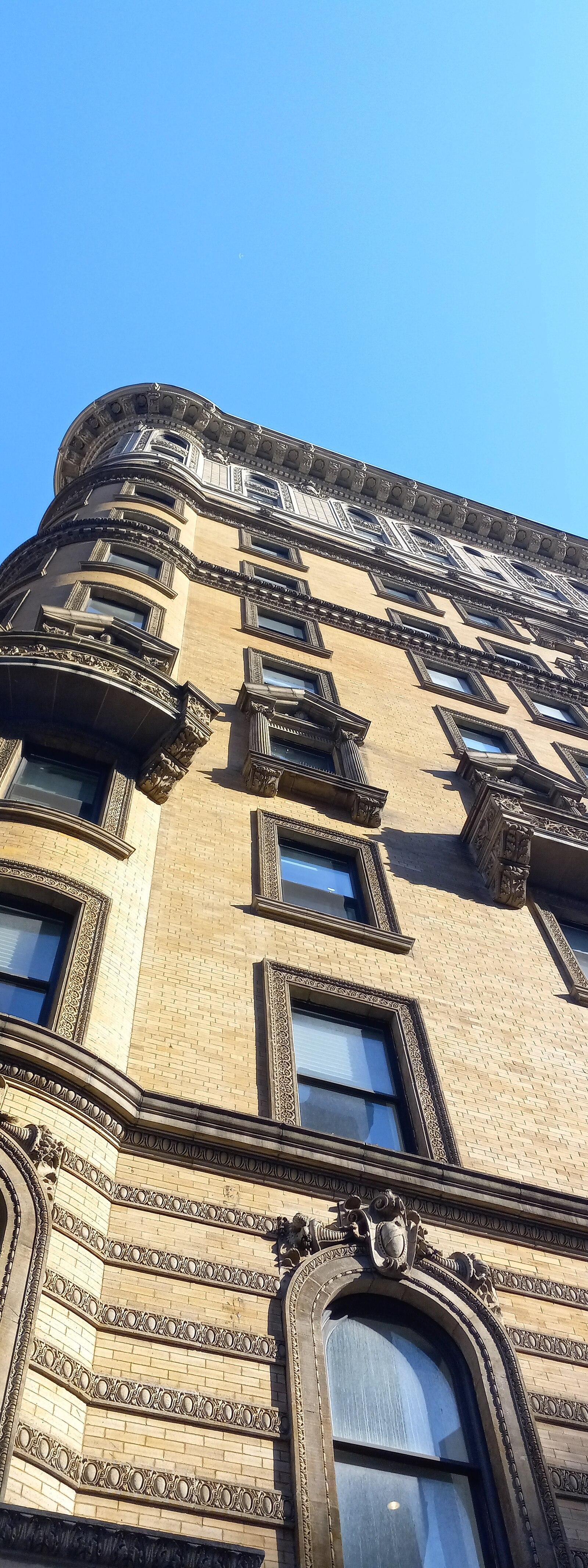
The number of signed contracts on the Upper West Side jumped roughly 18 percent in the second quarter of 2026 compared with the same period last year, according to data compiled by the Real Estate Board of New York, and brokers working the stretch between 72nd and 96th Streets say a single factor is driving most of that activity: the widespread conviction that the Fed will cut rates at least twice before December.
That conviction matters enormously in a neighborhood where the median co-op closing price sits around $1.35 million and the typical two-bedroom condo on West End Avenue lists above $2.1 million. A 50-basis-point reduction from the current benchmark range shaves roughly $400 a month off the carrying cost of a $1.5 million mortgage. For buyers who have been camped on the sidelines since 2023, that math has started to feel workable.
The broader backdrop is making buyers anxious to move. Geopolitical instability, fresh US military strikes in the Middle East and the uncertainty that follows, has pushed some high-net-worth New Yorkers toward hard assets. Manhattan apartments, for all their carrying costs, feel more stable than equity portfolios that swung 4 percent in a single session last week.
What's Actually Moving, and Where
The Apthorp, the landmarked rental-conversion on Broadway at 79th Street, sold two of its remaining sponsor units in June at prices above $4 million each, the building's strongest month since early 2022. Across Broadway, the newer condominium development at 200 Amsterdam Avenue has seen a surge of inquiries for its three-bedroom line, with three contracts signed in the past six weeks alone after a quiet first quarter. Brokers at Corcoran's Upper West Side office on Columbus Avenue report that open-house attendance on Saturdays in June was up sharply, with many visitors arriving pre-approved and ready to bid.
The activity is not uniform. Classic prewar co-ops below 86th Street, particularly on Riverside Drive and Central Park West, are seeing multiple bids on anything priced under $1.2 million. Above 96th Street, where prices soften and the inventory of larger family units is thinner, the market is more patient. The Manhattan Valley pocket has seen only modest movement; a four-bedroom on 104th Street and Manhattan Avenue sat for 47 days before finding a buyer at $1.18 million, roughly 6 percent below ask.
The Rate Calculation Buyers Are Running
The shift in buyer psychology turns on a specific date: the Fed's September 16 meeting, which futures markets are currently pricing as a near-certain site for the first cut of the cycle. Mortgage rates on 30-year jumbo loans, the product most Upper West Side buyers need, have already dipped to around 6.4 percent from a high of 7.1 percent last October, according to Bankrate's weekly survey. Buyers are locking in now, betting they can refinance cheaply by early 2027 if the Fed follows through on the trajectory implied by the dot plot.
That calculus is producing a specific type of buyer: professionals in their late thirties and forties, often upgrading from a one-bedroom in the West Village or Tribeca, who want space near Riverside Park or the 1/2/3 subway lines on Broadway. They are financially sophisticated enough to model rate scenarios and confident enough in their own income to commit before the cuts actually arrive. Sellers who priced aggressively in January have found these buyers unforgiving on value; sellers who trimmed 3 to 5 percent in the spring are closing.
Practical advice for anyone watching this market: the window between rate expectation and rate reality is historically short. In 2019, the last comparable cutting cycle, the busiest signing month on the Upper West Side preceded the first cut by about 10 weeks. Buyers waiting for the Fed to actually move before submitting offers may find they are competing in a significantly thinner inventory pool. Listings on StreetEasy for the 10023 and 10024 zip codes are already down 11 percent year-over-year. The opportunity is present. It is not guaranteed to remain so.
This article is general information only and is not personal financial or investment advice. Consider your own circumstances and seek licensed professional advice before making financial decisions.