property
Upper East Side Sellers Are Cutting Prices Faster Than Any Point Since 2020, and Buyers Are Taking Their Time
Days on market are climbing and vendor discounts are widening across the 73rd to 96th Street corridor, signaling a market where patience belongs to the buyer.
How we reported this
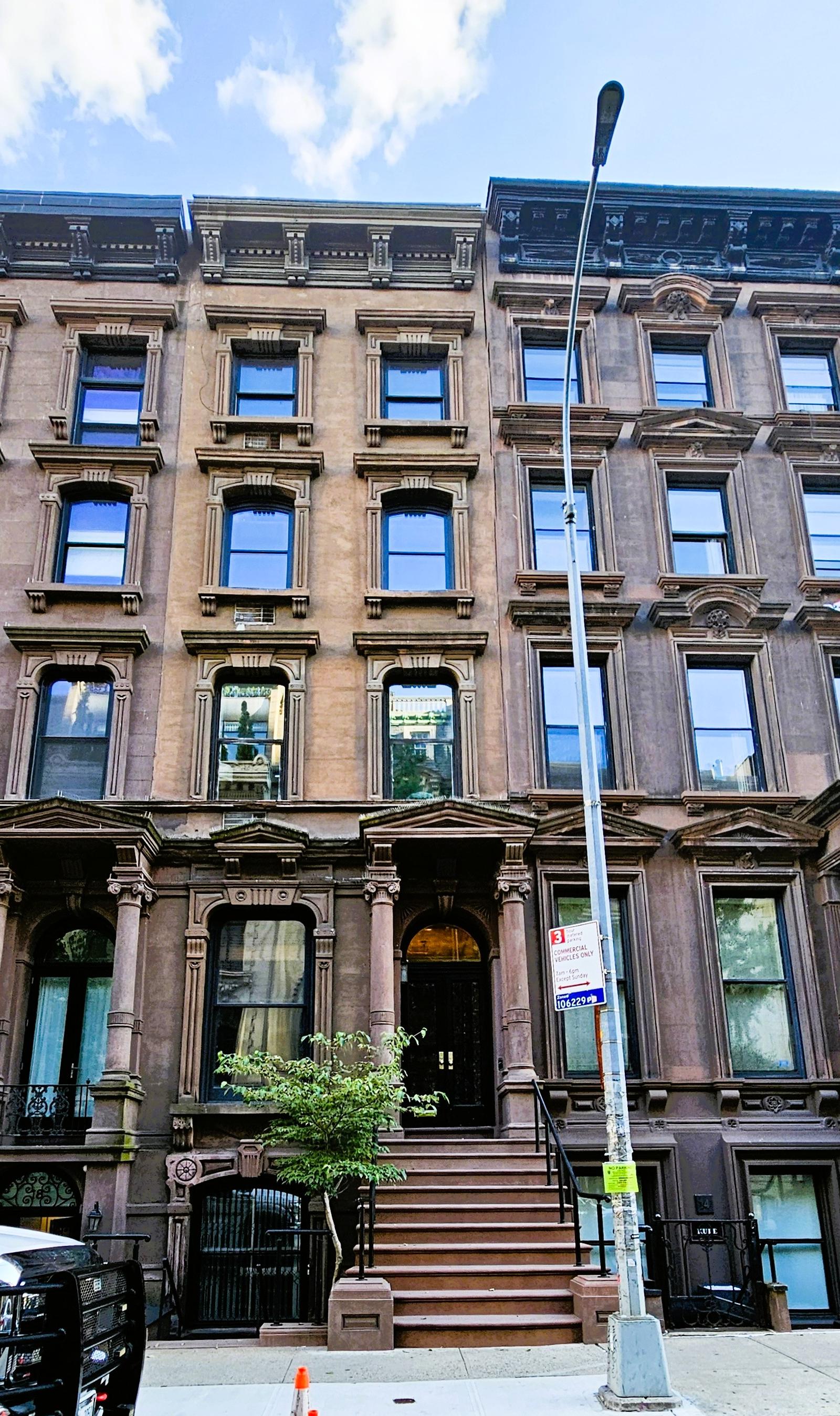
The numbers are stark. Residential listings on the Upper East Side are sitting an average of 74 days before going to contract in the second quarter of 2026, up from 51 days in the same period last year, according to data compiled by Douglas Elliman's Manhattan sales division. That 45 percent jump in time-on-market is forcing sellers to reckon with something they resisted through much of the post-pandemic run-up: meaningful price reductions.
It matters right now for a specific reason. Global uncertainty, US military action targeting Iranian naval assets this week, renewed turbulence at the NATO summit in Turkey, has made high-net-worth buyers hesitant to commit capital. That hesitancy filters quickly into Manhattan's luxury tier. On the Upper East Side, where the median co-op asking price along Park Avenue between 72nd and 86th Streets sits at approximately $3.2 million, even a six-figure discount can feel like a rounding error to some buyers. But the trend of sellers capitulating is real, and it is accelerating.
The Discount Gap Widens Between Ask and Close
Broker data from Corcoran's East 79th Street office shows that the average vendor discount, the spread between original list price and final contract price, has reached 7.4 percent across Upper East Side co-ops and condos closed in June 2026. A year ago that figure sat closer to 4.1 percent. The gap is most pronounced for units priced above $5 million, where some sellers are absorbing reductions north of $600,000 just to get a signed contract on the table.
Specific buildings tell the story plainly. A full-floor co-op at 820 Fifth Avenue, the white-glove prewar building opposite Central Park at 63rd Street, listed in March at $8.75 million and went into contract last month at a reported $7.9 million, a haircut of roughly 9.7 percent after 98 days on the market. Meanwhile, a three-bedroom condo in a newer glass tower on East 88th Street near Lexington Avenue spent 61 days on the market before the seller agreed to drop from $4.2 million to $3.88 million. Neither of these outcomes would have surprised anyone in 2019. By 2024 standards, they felt like concessions.
The Carnegie Hill pocket, roughly 86th to 98th Streets, east of Fifth, has held up slightly better. Smaller prewar two-bedroom co-ops in the low-to-mid $1 million range are moving in 55 to 65 days on average, and discounting there runs closer to 5 percent. Buyers in that segment tend to be less exposed to equity-market swings, brokers at Brown Harris Stevens' 86th Street office note in their Q2 market commentary published last week.
Why Sellers Are Finally Blinking
The inventory picture explains much of the pressure. Active Upper East Side listings stood at 1,847 units as of July 1, 2026, per StreetEasy tracking, the highest July figure since 2020, when pandemic dislocation flooded the market. Supply has been building quietly since January, partly because sellers who held out through 2024 and early 2025 have grown impatient, and partly because some landlords converted rental units to sales inventory after Albany's 2025 amendment to the Housing Stability and Tenant Protection Act created new regulatory uncertainty for rent-stabilized portfolios.
The Federal Reserve's decision to hold rates at 4.75 percent through June, confounding earlier expectations of a summer cut, has kept mortgage costs elevated for the minority of Upper East Side buyers who finance. More consequentially for this market, it has done nothing to unlock the rate-locked sellers in the $2 million-and-under bracket who bought at sub-3 percent rates and still refuse to trade up.
For buyers, the practical implication is clear: submit offers 8 to 10 percent below ask on listings that have been sitting more than 60 days, particularly in the Yorkville stretch east of Third Avenue, where carrying costs on larger units are creating genuine seller urgency. For sellers, brokers across the neighborhood are delivering the same message, price it correctly from day one, because the data now shows that every two weeks a listing sits unsold, the eventual closing discount deepens by roughly half a percentage point. The window for overpricing and hoping has closed.
This article is general information only and is not personal financial or investment advice. Consider your own circumstances and seek licensed professional advice before making financial decisions.