property
Park Slope Rezoning Plan Could Reshape Gowanus Border Housing
Community Board 6 reviews ambitious upzoning of Gowanus border, sparking fierce debate over affordability, density, and neighborhood character.
How we reported this
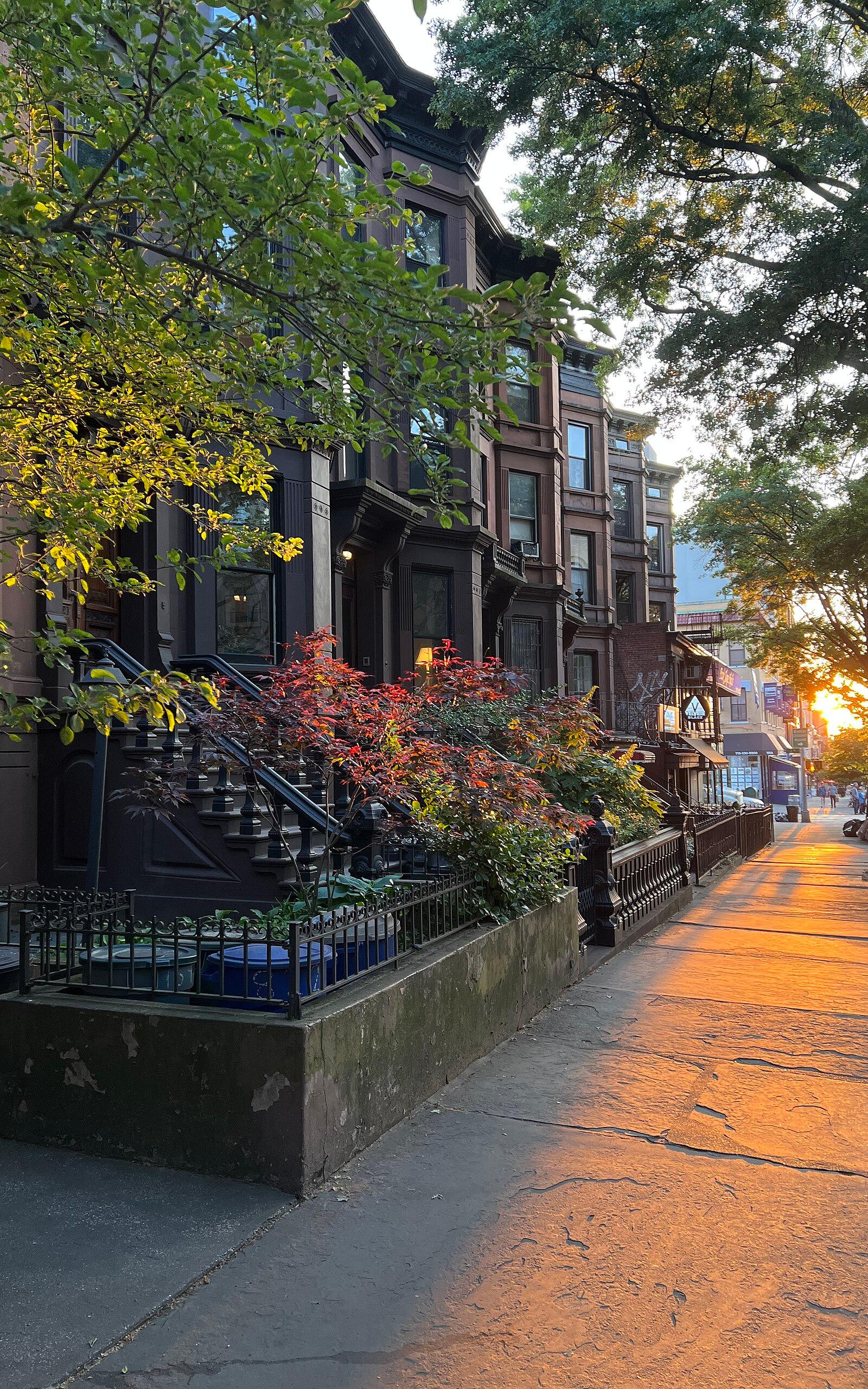
Plans for a dramatic rezoning along the southern edge of Park Slope are fueling some of Brooklyn’s hottest development debate this summer, as Community Board 6 weighs a proposal to triple residential density on blocks flanking Fourth Avenue and extending toward the Gowanus Canal. The plan, introduced last week by the Department of City Planning (DCP), would allow residential towers up to 18 stories tall-up from the current six-story limit-along parts of 3rd, 4th, and 5th Avenues south of 9th Street.
The timing couldn’t be more significant. Amidst persistent affordable housing shortages across New York City, a spike in median rents (crossing $3,600/month in June, according to StreetEasy), and constant pressure from local advocacy groups, the proposed amendment could unlock more than 2,000 new units over the next decade. As Europe faces record heat waves and migration crises, local governments here are under parallel strain to plan for denser, climate-resilient, and more inclusive communities. Critics, however, warn that a rapid influx of high-rises could permanently alter the neighborhood’s character-and potentially flood local infrastructure.
Gowanus Fringe in the Crosshairs
The rezoning targets parcels surrounding the western edge of Park Slope, especially below 10th Street, pushing toward Gowanus’s industrial spine. Several large lots along 11th Street, currently occupied by auto body shops and small warehouses, are pegged for potential mixed-use redevelopment. The Park Slope Civic Council has flagged the area as a buffer zone between the brownstone blocks to the east and Gowanus’s flood-prone superblocks to the west.
According to public review documents, the biggest changes center on sites near P.S. 118 Maurice Sendak Community School and the 4th Ave/9th St subway station, with new pedestrian crossings and retail spaces also promised. The rezoning could bring as many as 150 permanently affordable apartments to the neighborhood under the city’s Mandatory Inclusionary Housing (MIH) program, though that number is hotly contested by local tenant groups. Familiar venues along 4th Avenue, such as Supernatural Coffee and the Park Slope Food Coop distribution annex, would see heightened foot traffic and construction in coming years if the plan moves forward as written.
Brooklyn’s Office of Environmental Remediation will play a supervisory role in ensuring that new development on former industrial sites meets 2026 Brownfield Cleanup Program standards. Area residents recall delays during previous construction at 470 Fourth Avenue, a reminder of the challenges of converting former manufacturing land to residential use.
Numbers Behind the Controversy
The DCP’s impact study projects a 32 percent increase in neighborhood population by 2036, if all sites are developed at maximum density. That would push Park Slope and Gowanus’s combined total to roughly 85,000 residents, not counting unregistered sublets. Public school enrollment in District 15 is already trending up, with P.S. 321 operating at 112 percent of capacity as of last semester. Sale prices have risen accordingly: borough data shows median condo prices on the rezoning corridor surpassed $1.2 million as of June, a 12 percent jump over the previous year.
Some local officials have raised infrastructure concerns. The Department of Environmental Protection’s flood zone maps show much of the affected area remains at moderate risk for future storm surges, a vulnerability highlighted after last year’s Category 1 remnants soaked Gowanus basements from Union Street to Hamilton Avenue.
Community Board 6 will hold its next public hearing at John Jay High School on July 18, with final recommendations expected by September. Residents affected by the proposed changes can view interactive zoning and flood maps at the Park Slope Public Library or on the DCP’s website. The city estimates the review process will conclude in early 2027, after which the City Council would hold a decisive up-or-down vote. Anyone wishing to submit formal testimony should contact CB6 via their Smith Street office or the official city planning portal before August 1.
This article is general information only and is not personal financial or investment advice. Consider your own circumstances and seek licensed professional advice before making financial decisions.