property
Hudson Street to the River: Greenwich Village's Waterfront Edge Is Driving the Neighborhood's Strongest Price Gains in a Decade
Properties within four blocks of the Hudson River waterfront are commanding premiums that are reshaping what buyers will pay to live in the Village.
How we reported this
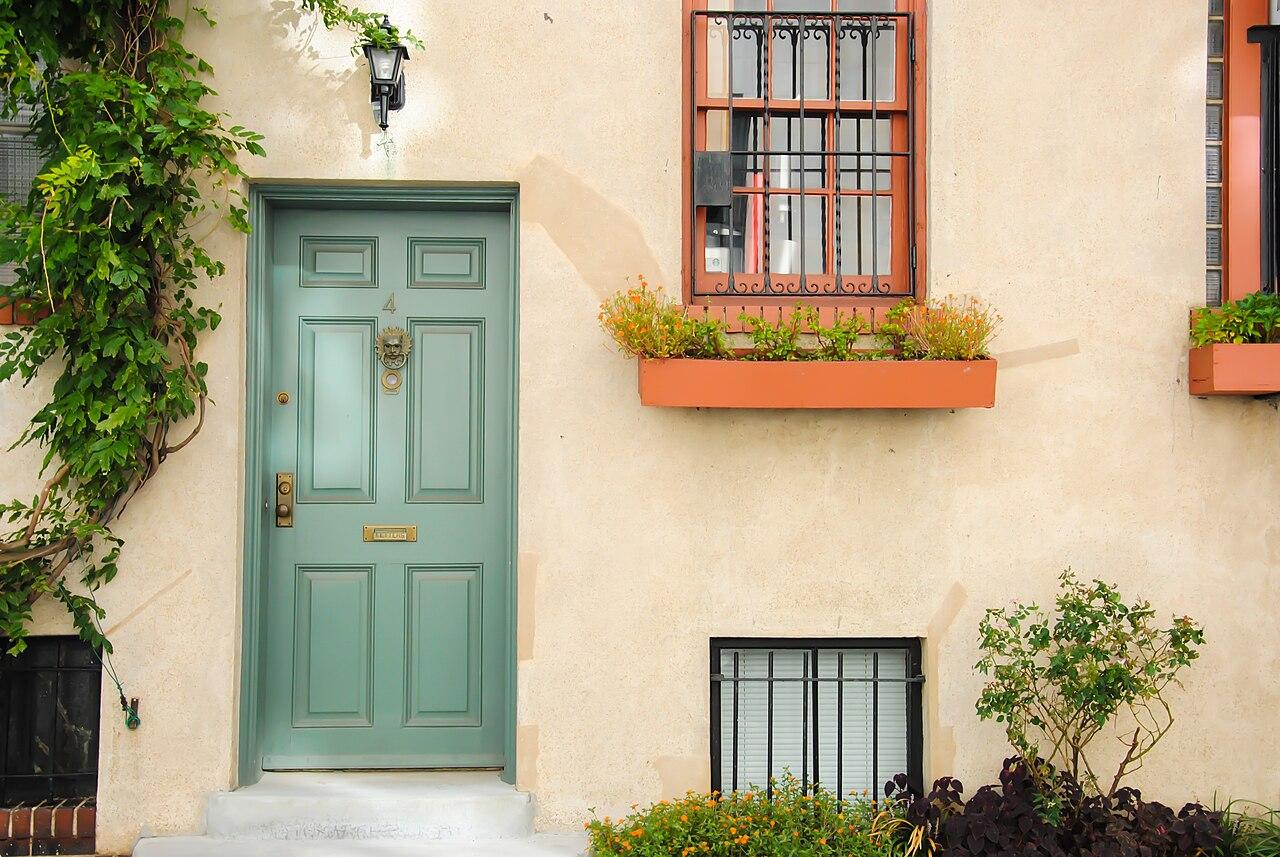
Sales data compiled through the second quarter of 2026 shows median closing prices for co-ops and condos along the western stretch of Greenwich Village, roughly the corridor between Washington Street and the Hudson River Park esplanade, running approximately 18 percent above the broader Village average, the widest gap recorded since 2016. Buyers are paying a premium to be close to the water, and brokers working the West Village pocket say demand has not softened despite mortgage rates that remain above 6.5 percent nationally.
The timing matters. Hudson River Park, the 550-acre public greenway that runs from Battery Park City north to 59th Street, completed its Pier 57 rooftop park expansion in late 2024, adding roughly two acres of landscaped public space directly accessible from the Village's waterfront blocks. That kind of public infrastructure investment tends to get priced into residential real estate within 18 to 24 months, which is exactly what the current transaction cycle appears to reflect. Buyers who tracked the Pier 57 project during its final construction phase and moved early are now sitting on meaningful equity gains.
The specific streets generating the most activity are West Street between Horatio and Jane, and the cluster of townhouse blocks on Bethune and Bank streets, both of which sit within a five-minute walk of Hudson River Park's Greenwich Village segment. The Jane Hotel on Jane Street, a neighborhood landmark, anchors the northern end of this zone and has become an informal reference point for where the waterfront premium begins to thin out heading east toward Seventh Avenue South.
What the Numbers Actually Show
Closed transactions recorded with the New York City Department of Finance for the first half of 2026 show one-bedroom condos on West Street trading at a median of $1.42 million, compared with $1.21 million for comparable units on Bedford Street or Commerce Street, blocks that are charming but landlocked. Two-bedrooms with Hudson views in the smaller boutique buildings along this corridor have been clearing $2.8 million and above, with at least three recorded above $3.1 million since January 1. Those figures are not outliers driven by trophy penthouses; they reflect floor-through units on middle floors of pre-war conversions and newer glass-and-steel boutique buildings alike.
The Greenwich Village waterfront segment also benefits from its connection to the Hudson River Greenway, the most heavily used urban cycling and pedestrian path in the United States, which funnels daily foot traffic past residential lobbies and street-level retail. That connectivity is increasingly a line item in how buyers assess value, particularly younger purchasers who are structuring their lives around car-free commuting. The Citi Bike station at West and Horatio streets logged its highest monthly ridership in May 2026, according to the program's publicly available trip data, a signal of how embedded the waterfront infrastructure has become in daily neighborhood life.
Where Buyers and Investors Should Focus Next
The blocks that have not yet fully repriced are the ones closest to the Meatpacking District border, specifically Gansevoort Street and the stretch of Little West 12th Street that crosses into the Village's northwest corner. These addresses carry some of the waterfront adjacency benefit without the full premium, largely because they blur the boundary between two distinct neighborhoods in the minds of buyers unfamiliar with the micro-geography. That ambiguity creates opportunity. Listings on Little West 12th have been spending an average of 47 days on market before going into contract, compared with under 30 days for equivalent product on Bethune or Bank, a gap that suggests sellers have not yet fully calibrated their ask to where the market actually is.
For anyone watching this corridor seriously, the practical move is to track what happens to the remaining development parcels near Pier 40 at Houston Street, where Hudson River Park Trust has been in ongoing discussions about a long-term ground lease for mixed-use development. If a deal closes in the second half of 2026, the ripple effect on nearby residential values could be the next catalyst, one the current price momentum has arguably been anticipating for the past two years.
This article is general information only and is not personal financial or investment advice. Consider your own circumstances and seek licensed professional advice before making financial decisions.