property
The Block Below 14th Street That Rezoning Could Transform Overnight
A stretch of far West Village industrial holdouts sits weeks away from a zoning decision that developers have been circling for two years.
How we reported this
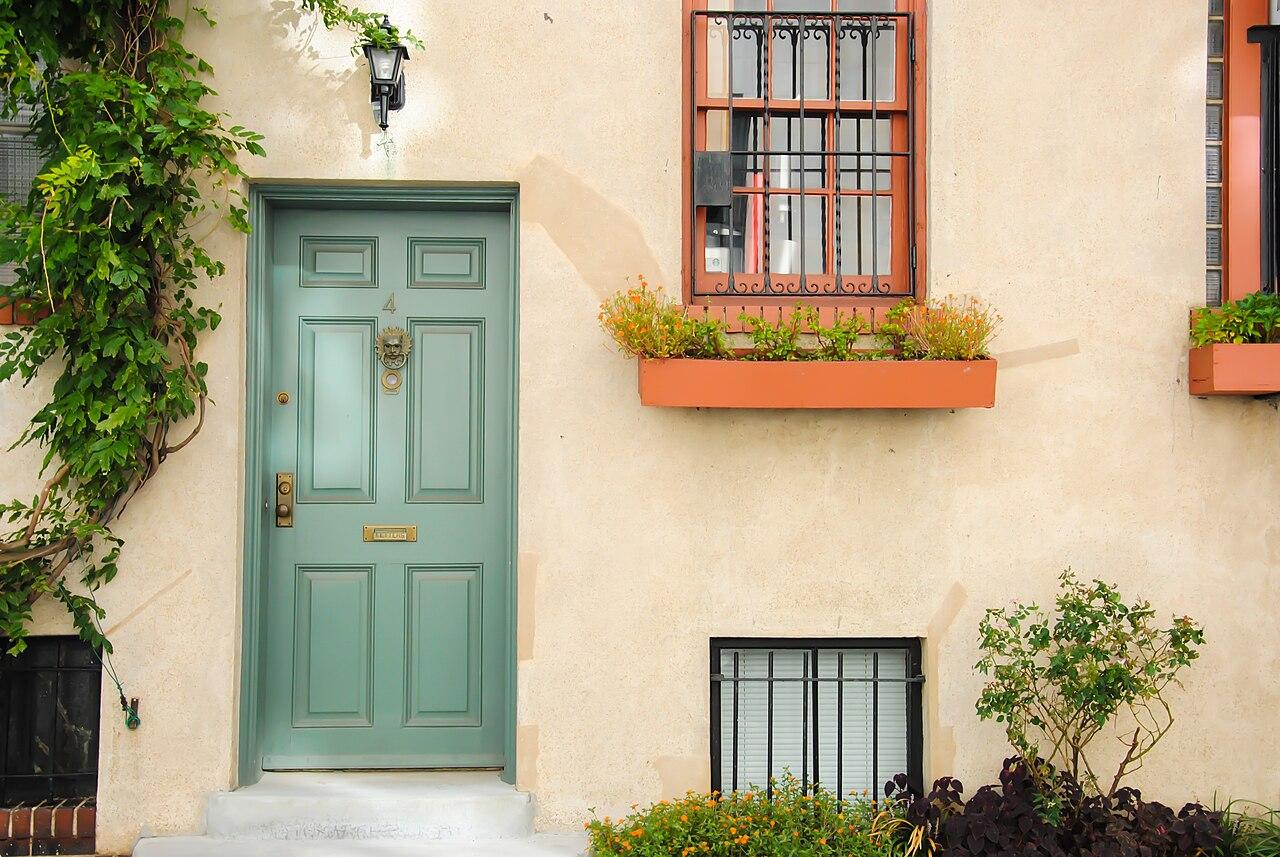
The parcels along Gansevoort Street between Washington and Greenwich Streets don't look like much right now, a mix of refrigerated meat wholesalers, low-slung parking structures, and a handful of stubborn warehouses that predate the High Line. That's exactly the point. The New York City Department of City Planning has confirmed that a formal public review period for a proposed C6-2 mixed-use rezoning of that corridor is set to open this September, and buyers who read the calendar are already moving.
The timing matters for a specific reason. The broader Special Hudson Yards-Hell's Kitchen District rezoning, completed in stages between 2005 and 2022, demonstrated what commercial-to-residential conversion can do to land values in compressed Manhattan corridors. The far West Village has historically been insulated from that pressure by its Landmark Preservation Commission protections north of Horatio Street, but the industrial blocks below 14th Street carry no such shield, and that asymmetry is now the central conversation among investors watching the area.
What the Rezoning Would Actually Change
Under current M1-5 manufacturing zoning, residential use is prohibited on several key lots along Gansevoort and Little West 12th Street. The proposed C6-2 designation would permit residential floor-area ratios up to 6.02 and allow ground-floor retail, effectively unlocking a class of development that has been legally off the table since the 1960s. The Whitney Museum of American Art, which anchors the southern terminus of the High Line at Gansevoort Street, has already demonstrated what cultural infrastructure does to surrounding land values, comparable retail rents along nearby Bleecker Street now run between $200 and $275 per square foot annually, according to figures from the Real Estate Board of New York's most recent borough report.
The Meatpacking District Business Improvement District, which covers a significant portion of the affected area, has been tracking foot-traffic data since 2019. The district reported sustained weekday pedestrian counts above pre-pandemic levels through the first quarter of 2026, a figure that carries weight with lenders evaluating construction risk. Several mixed-use assemblages along Little West 12th Street were quietly listed off-market in the spring at prices reflecting anticipated upzoning, $800 to $950 per buildable square foot, compared with a citywide Manhattan average closer to $600 for comparable sites, according to CoStar Group data compiled in May 2026.
Where Opportunity Actually Sits Right Now
The practical sweet spot for investors who cannot absorb the cost of a full development site is the secondary ring: converted loft units in the landmarked blocks of the West Village proper have been absorbing demand that the industrial fringe cannot yet supply. One-bedroom units on Jane Street and Bank Street have traded in the $1.3 million to $1.6 million range through the first half of 2026, per listings data from the Greenwich Village-Chelsea market-area report published by the Corcoran Group in June. That ceiling compresses when the rezoned corridor eventually adds residential inventory, buyers who close before September's public review period begins are effectively pricing in a timeline before competition stiffens.
The Uniform Land Use Review Procedure, ULURP, runs a mandatory 197-day clock from certification. If the Department of City Planning certifies the application in September as expected, a final City Council vote would fall in March or April 2027. Between now and then, the community board review, the borough president's recommendation, and the City Planning Commission hearing each represent a checkpoint where the proposal could be narrowed or modified. Local Community Board 2, which covers Greenwich Village and the West Village, has historically been protective of neighborhood scale, and a density bonus component tied to affordable housing, currently proposed at 20 percent of units at 80 percent of area median income, will be the main negotiating point in those hearings.
Buyers and investors watching this window should request ULURP tracking updates directly from City Planning's ZAP portal, where the application docket will be publicly posted at certification. Engaging a land-use attorney before the community board stage, rather than after, is the single most practical step for anyone considering a development position on the affected blocks. The calendar, not the market, is the variable that matters most between now and next spring.
This article is general information only and is not personal financial or investment advice. Consider your own circumstances and seek licensed professional advice before making financial decisions.