property
The West Village Fringe: The Gentrifying Pocket Attracting Young Professionals
The blocks between Gansevoort Street and Horatio Street are pulling in a new generation of renters and buyers, reshaping one of Manhattan's last transitional corridors.
How we reported this
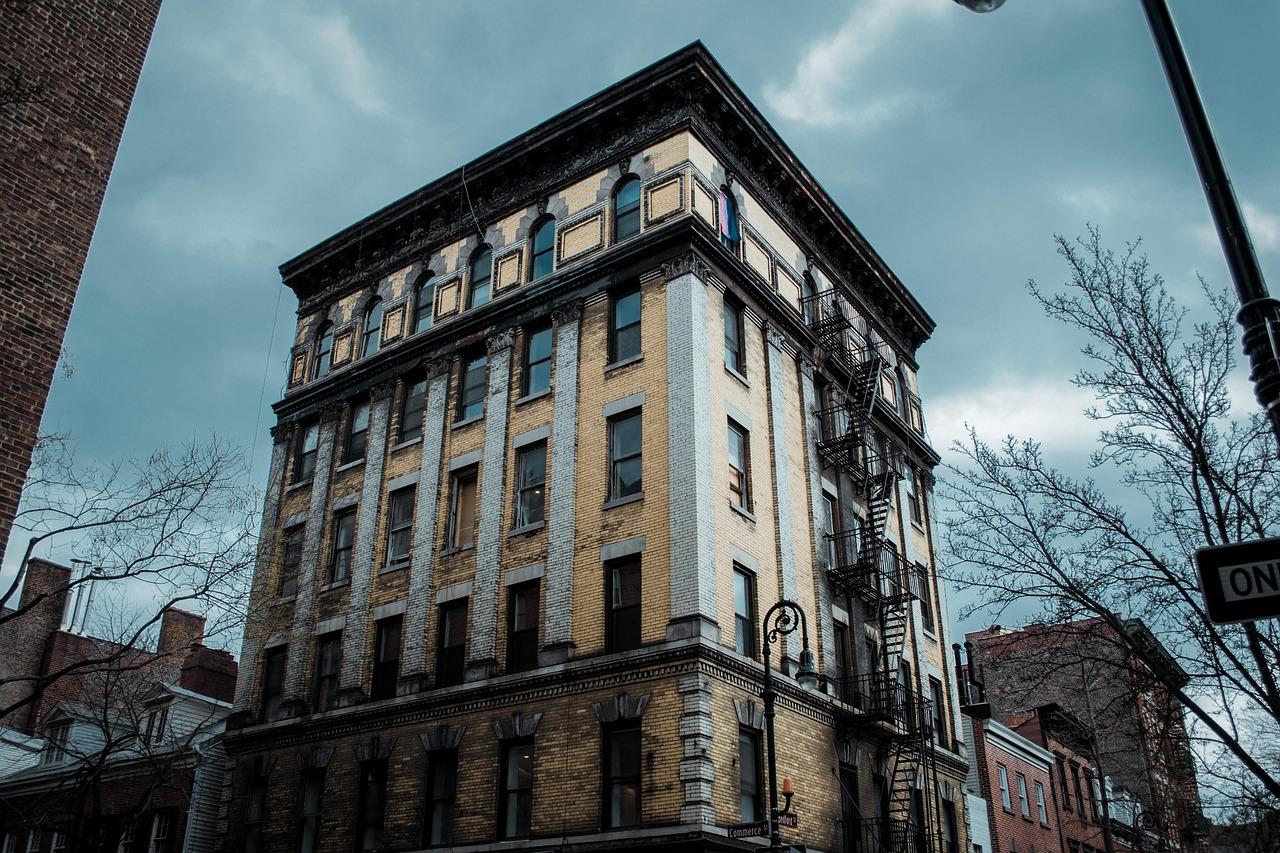
The numbers tell the story plainly. Median asking rents along the Hudson Street corridor between Gansevoort and Horatio have climbed roughly 18 percent over the past 24 months, according to aggregated listings data tracked by StreetEasy through the second quarter of 2026. Studio apartments that listed at $2,800 per month in early 2024 are now routinely hitting $3,300. One-bedrooms in pre-war walk-ups on Bethune Street have crossed the $4,500 threshold. The fringe of the Meatpacking District, long dismissed as a noisy overflow zone for the club crowd, is turning into something else entirely.
The timing matters. As remote and hybrid work arrangements solidify into permanent office schedules for many finance and tech workers, a significant share of Manhattan's under-35 professional class, proximity to the Hudson River greenway, the High Line's western terminus at Gansevoort, and the expanding network of co-working spaces on West 14th Street has made this pocket newly legible as a live-work destination rather than purely a nightlife corridor. Young professionals are not just visiting; they are signing 24-month leases.
What's Drawing the Crowd
Three blocks matter most right now. Horatio Street itself, a quiet residential strip running east from the river, has seen at least a dozen gut-renovation completions since January 2025, converting former industrial ground-floor units into high-spec rentals with exposed brick and in-unit laundry. The Independent, a 42-unit boutique rental building on West 12th Street, reached full occupancy within six weeks of its May 2026 opening, with reported median rents of $4,200 for one-bedroom units. Meanwhile, the Jane Street block between Washington and West streets, historically overshadowed by the Jane Hotel's late-night reputation, has attracted three new food and beverage operators since the third quarter of 2025, signaling the retail shift that typically precedes a buyer's market correction.
The Gansevoort Market, which relocated and relaunched its indoor food hall format on Little West 12th Street in late 2024, has become an anchor for the daytime foot traffic young professionals generate. Unlike the nightclub economy that defined the Meatpacking District through the 2010s, the current wave of residents is driving demand for quieter, walkable amenity, specialty coffee, independent bookshops, and the kind of low-key wine bars that close before midnight. Village Wines on Hudson Street and the Ninth Avenue Cheese Market, a fixture since 2003, both report sharply increased weekday afternoon trade, according to publicly posted social media updates from both businesses.
The Investment Case, and Its Limits
For buyers, the window is narrowing. The co-op at 45 Horatio Street listed two units in May 2026 at asking prices of $1.35 million and $1.62 million respectively, both under contract within 21 days, per StreetEasy records. That velocity is unusual even by Greenwich Village standards, where days-on-market for apartments priced below $2 million averaged 47 days in the first quarter of 2026. Brokers working the sub-neighborhood, specifically the blocks bounded by Washington Street, Hudson Street, Bank Street, and the river, describe the current moment as a compressed window before prices align fully with the core Village market to the east.
There are structural constraints worth understanding. The West Village is a New York City Historic District, which means exterior alterations on most residential buildings require Landmarks Preservation Commission approval. That limits the pace of large-scale conversion projects and has so far prevented the kind of wholesale redevelopment that transformed the Hudson Yards corridor. New construction is essentially impossible on most residential blocks. Supply, in other words, is not going to surge. That's a floor under prices, but it also means buyers absorb significant premium for anything move-in ready.
Anyone seriously considering this pocket should prioritize the next 90 days. The fall market typically sees inventory tick up in September as sellers return from summer, and the current gap between asking and closing prices, roughly 2 to 3 percent below ask, per StreetEasy's Q1 2026 data, may not survive another tight season. Get the pre-approval in order, walk Horatio and Bethune on a Tuesday afternoon when the neighborhood reveals its actual character, and treat the Landmarks designation not as a deterrent but as the very mechanism keeping this block from becoming somewhere else entirely.
This article is general information only and is not personal financial or investment advice. Consider your own circumstances and seek licensed professional advice before making financial decisions.