Politics
New Environmental Regulations and Coastal Resilience Projects Shape Financial District’s Future
New carbon mandates and climate defense funding are changing the landscape for property owners and residents in Lower Manhattan.
How we reported this
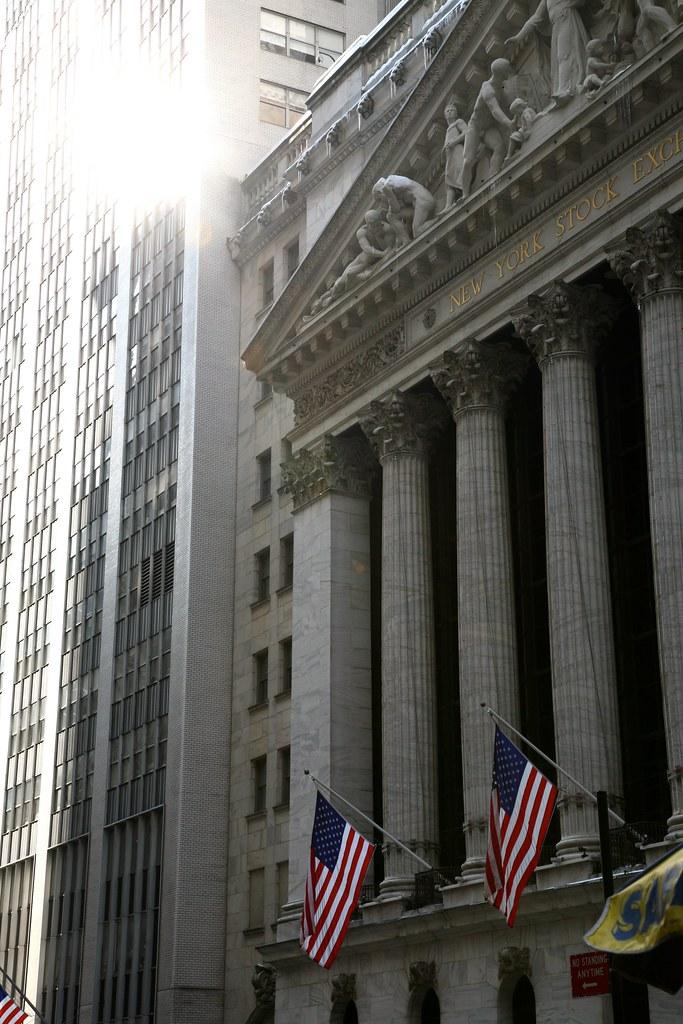
Recent policy initiatives aimed at addressing climate risks and carbon emissions are bringing significant changes to the Financial District. These measures focus on both the physical protection of the area's low-lying shoreline and the energy performance of large buildings, directly impacting the way properties are managed and developed within the neighbourhood.
The regulatory framework is anchored by Local Law 97 of 2019, which establishes strict carbon emissions caps for buildings exceeding 25,000 square feet. Owners of these structures were required to begin compliance in 2024, with expectations of increasingly stringent limits arriving by 2030. These policies are designed to reduce the overall greenhouse gas footprint of the city's built environment, requiring significant operational adjustments for many of the large-scale office and residential towers that define the Financial District skyline.
Climate Resilience and Coastal Defense
In addition to emission standards, the city is addressing physical climate risks. Local Law 124 of 2024 now mandates forward-looking flood risk mapping, which officially identifies the Financial District as a high-risk area. This classification informs the planning of infrastructure projects intended to mitigate the impacts of climate-related flooding on the local community.
To support this, the Lower Manhattan Coastal Resiliency Project has secured $1.7 billion in government funding. These resources are dedicated to constructing coastal flood defenses designed to safeguard Lower Manhattan. Furthermore, the Financial District and Seaport Climate Resilience Master Plan is actively advancing over $900 million in capital projects aimed at protecting the area’s vulnerable shoreline. For residents and businesses, these developments mean that local waterfront projects must now adhere to rigorous environmental standards. Any proposed work along the water is subject to permitting requirements from the US Army Corps of Engineers and the New York State Department of Environmental Conservation under the federal Clean Water Act.
As these initiatives move forward, property owners, developers, and residents in the Financial District should anticipate ongoing adjustments related to energy compliance and shoreline construction. These regulatory and capital project efforts represent a significant shift in how the neighborhood is prepared to manage its environmental and climate-related responsibilities in the coming years.
Produced with AI assistance and reviewed against our editorial standards. Sources are linked where available. Spotted an error or need a correction? Contact corrections@dailynetwork.news.
References Sourced but Not Limited to:
- ga-institute.com · Flood risk in nycs financial district what businesses need to know...
- edc.nyc · FiDi Seaport Climate Resilience Master Plan 03 15 2024
- edc.nyc · FiDi Seaport Climate Resilience Master Plan Chapter 6
- dec.ny.gov · Regulatory
- nyc.gov · Ll97 emissions
- cde.ca.gov
- sigearth.com · A guide to nycs environmental local laws
- nyc.gov · Ll97 greenhouse gas emissions reductions.page