news
Upper West Siders Lose Historic Building Photos to City Database Error
Residents and preservationists say a City landmarks database error is replacing irreplaceable historic images with generic duplicates, wiping out visual records of the neighborhood's architectural past.
How we reported this
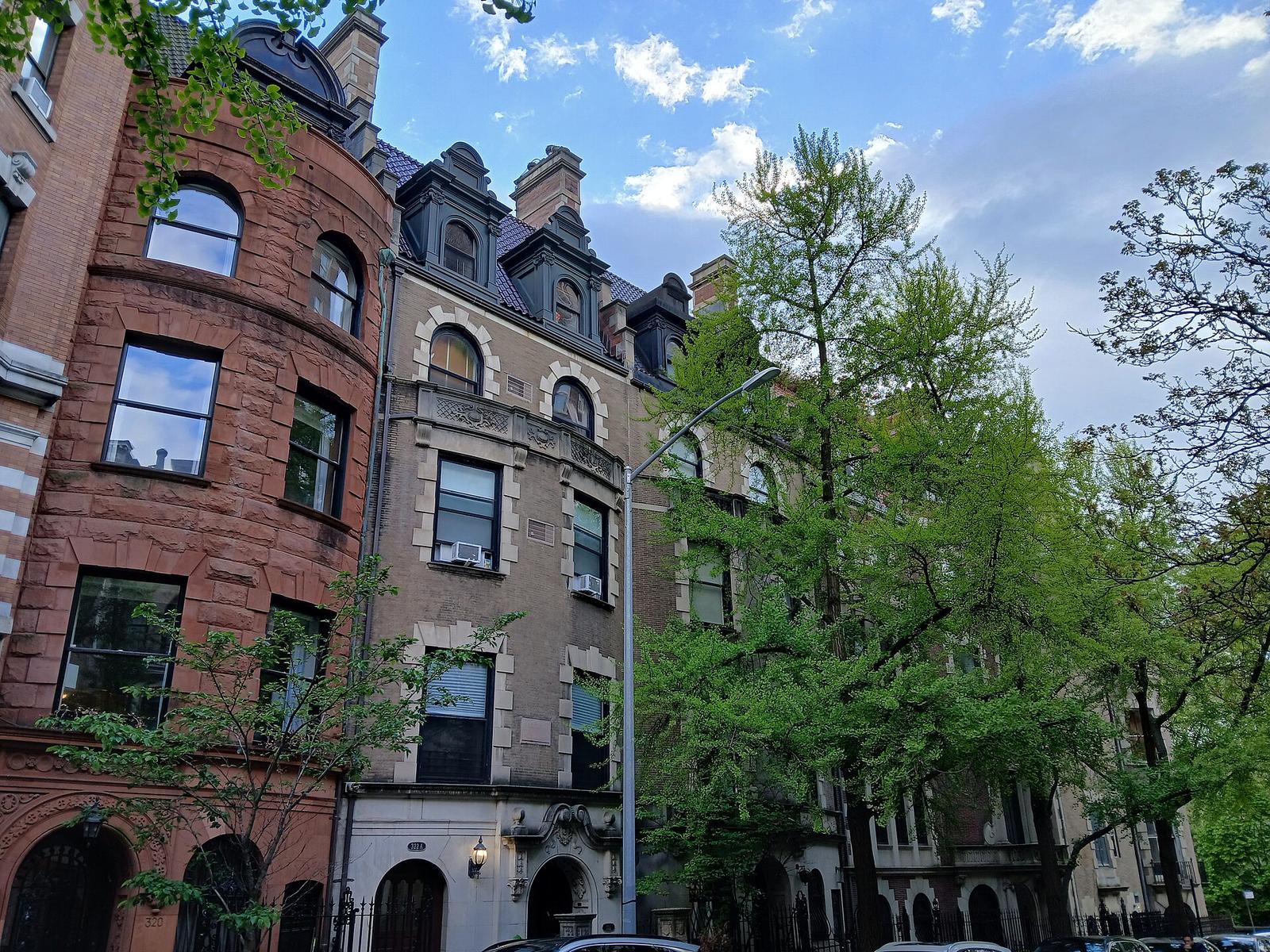
A quiet administrative failure inside the New York City Landmarks Preservation Commission's online image archive is drawing sharp criticism from Upper West Side residents, historians and block association members who say the agency has been quietly overwriting unique historical photographs with duplicate stock images, leaving gaps in the visual record of one of Manhattan's most architecturally dense neighborhoods.
The problem surfaced in late May, when members of the Riverside-West End Historic District Advisory Council noticed that several property entries in the LPC's public-facing database had swapped out site-specific façade photographs for repeated generic images. In some cases, the same photograph of a limestone cornice detail appeared attached to a dozen separate address entries across West 86th Street and Riverside Drive.
The timing matters. The city is in the middle of a contentious rezoning push under the City of Yes for Housing Opportunity framework, and advocates have long argued that robust documentation of contributing structures in historic districts is a frontline defense against inappropriate alterations. Losing photographic evidence of a building's original condition is not merely an archival annoyance, it can weaken the evidentiary basis for future preservation challenges.
Residents Describe What They've Lost
Walk into the 79th Street branch of the New York Public Library on any Tuesday afternoon and you'll find members of the Upper West Side History Project hunched over laptops cross-referencing the LPC database against their own scanned collections. The group has been documenting discrepancies since June 3 and says it has flagged more than 40 affected entries in the West End-Collegiate Historic District alone, which runs between West 76th and West 87th Streets.
People who live in the affected buildings describe a particular frustration. One longtime resident of a prewar co-op on West 85th Street near West End Avenue said she had used the LPC's image record to successfully push back on a proposed window replacement in 2023, pointing to the commission's own photograph as evidence of original fenestration. She worries that future residents won't have the same resource if the images keep disappearing. Another member of the Bloomingdale Neighborhood History Group, which meets monthly at the Bloomingdale branch of the NYPL on West 100th Street, described spending hours trying to reconstruct entries from old borough survey scans rather than relying on the commission's site.
The LPC's online portal, relaunched in 2021 with a stated goal of improving public accessibility, currently lists more than 37,000 individual landmark designations citywide. Digital archivists say image duplication errors of this kind typically stem from batch upload processes where file-naming conventions collapse, a technical failure with outsized consequences when the underlying photographs document irreplaceable physical fabric.
What Advocates Want Done
The Riverside Drive block associations, which include organized groups covering stretches from West 72nd Street north to West 116th Street, have drafted a letter to the LPC requesting a full audit of the Riverside-West End and West End-Collegiate districts' image inventories before the end of the third quarter of 2026. They are also asking the agency to establish a public-comment mechanism so community members can flag additional mismatches as they discover them.
Columbia University's historic preservation program, based at the Graduate School of Architecture, Planning and Preservation on Amsterdam Avenue, has offered to provide student volunteers to assist with image verification work over the summer. A community scanning day is tentatively planned for late July at the Goddard Riverside Community Center on West 88th Street, where residents will be invited to bring physical photographs of their buildings for digitization and submission to the LPC as replacement candidates.
Anyone who has noticed a duplicate or incorrect image on an LPC property entry can submit a correction request through the agency's online contact portal, with the relevant Borough Block and Lot number, which appears on property tax bills and the NYC Department of Finance's ACRIS system. Preservation advocates say including a dated personal photograph, even a smartphone snapshot, significantly strengthens a correction request. The LPC has not yet confirmed a timeline for addressing the flagged entries, but the community expects a formal response before the close of the summer legislative recess.