news
DUMBO Completes $108M Infrastructure Overhaul, Faces Critical Future Decisions
With the $108 million street restoration wrapped up, DUMBO faces pivotal choices on zoning, public access, and crowd management to balance growth and preservation.
How we reported this
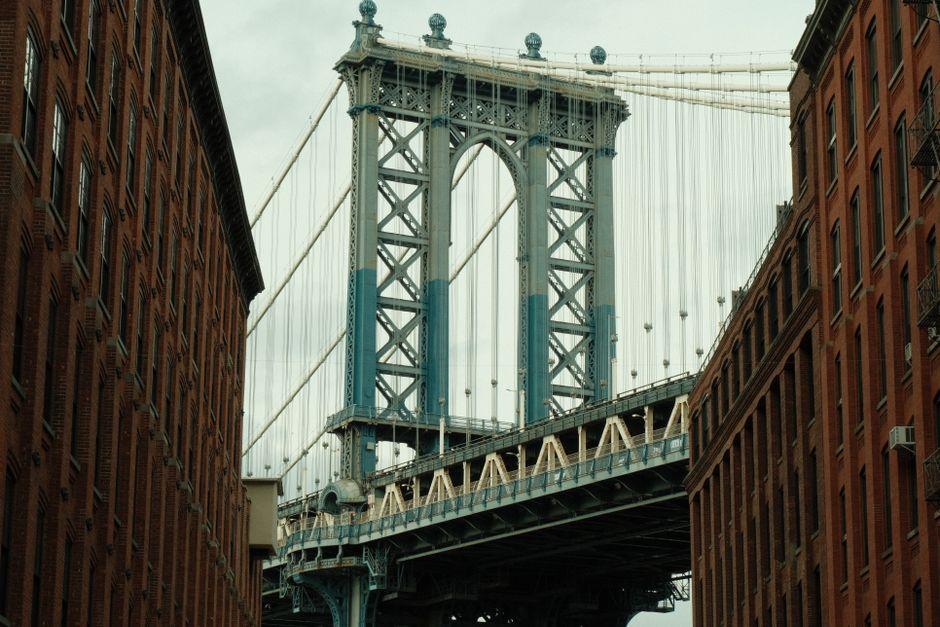
DUMBO marked a major milestone in December 2025 with the completion of a $108 million historic street restoration and infrastructure upgrade project. Initiated in 2019, the initiative restored 26 blocks of the neighborhood’s iconic Belgian block cobblestone streets and brought crucial upgrades to sewer, water, and storm drainage systems, alongside the addition of bike lanes and fire hydrants.
As the neighborhood emerges from years of construction, attention now turns to how DUMBO will manage new development pressures, resident concerns, and the influx of tourists expected during upcoming major events like the summer World Cup.
Why the Infrastructure Project’s End Raises New Neighborhood Questions
The restoration project was a significant effort not only to preserve DUMBO’s unique historic character but also to fortify its infrastructure for future demands. Restoring 26 blocks of cobblestone streets and upgrading 3,140 feet of water mains, along with 46 catch basins for stormwater drainage, has modernized utilities to prevent flooding and improve safety in the low-lying Brooklyn waterfront area. In May 2026, this work received one of New York City’s top preservation honors, underscoring its success in marrying history with contemporary needs.
However, community stakeholders are now focusing on the broader implications for the neighborhood’s built environment and public realm. For example, in 2025 Community Board 2 voted narrowly against a city plan to rezone a 12-block manufacturing district east of the Manhattan Bridge that would have allowed warehouse conversions to residential apartments. Opponents worried about preserving DUMBO’s scale and character, while proponents saw an opportunity to meet housing demands and catalyze economic activity.
Local Challenges: Zoning, Public Space, and Access
The Dumbo Neighborhood Association remains vigilant, mobilizing to seek landmark protections aimed at preventing what they call "thoughtless demolition" and "out-of-scale construction." This advocacy reflects a broader neighborhood tension between development and preservation amid rising property values and increased tourism. Residents are urging the city to adopt crowd-control and public-space planning measures, especially with summer World Cup viewing parties expected to draw much larger visitor numbers.
Another flashpoint is the Empire Stores building near Brooklyn Bridge Park. Plans to redevelop this waterfront facility into a tech hub have sparked community pushback over concerns that the building’s scale limits public access to the park and creates a physical barrier between the neighborhood and the East River. These concerns highlight a key urban planning question facing DUMBO: how to balance economic development that attracts technology companies and jobs with the imperative to keep the waterfront publicly accessible and welcoming.
Meanwhile, the NYC Department of Transportation is advancing bike infrastructure enhancements, including a new two-way protected bike lane on Front Street and safety upgrades at the Jay Street and Sands Street intersection, where the Manhattan Bridge bike path enters DUMBO. These changes aim to improve cyclist safety and connectivity but require ongoing coordination as traffic patterns evolve post-construction.
Next Steps: Navigating Growth While Protecting DUMBO’s Character
With streets fully restored and utilities upgraded, the focus shifts to key decisions on zoning, development, and public space management. Community board deliberations on development proposals will likely remain contentious, as stakeholders weigh preserving historic streetscapes against accommodating residential and commercial growth.
Resident advocacy for landmark protections suggests further efforts to legally shield elements of DUMBO’s built fabric are forthcoming, even as city agencies plan for increased visitor management amid rising tourism. Implementing robust crowd-control strategies and ensuring safe public-space access will be crucial during large summertime events.
From a practical standpoint, DUMBO stakeholders-including city officials, transportation agencies, developers, and residents-face the challenge of integrating new infrastructure investments with policies that maintain the neighborhood’s distinctive identity and livability. Future moves on rezoning, public access at waterfront sites like Empire Stores, and bicycle infrastructure will significantly shape how DUMBO balances its historic character with the demands of growth and increased activity.