news
Dumbo's Streets Transform: How Transport Infrastructure Evolved Over Decades
From cobblestone restorations to cycling upgrades, Dumbo’s transport network reflects years of transformation and community input.
How we reported this
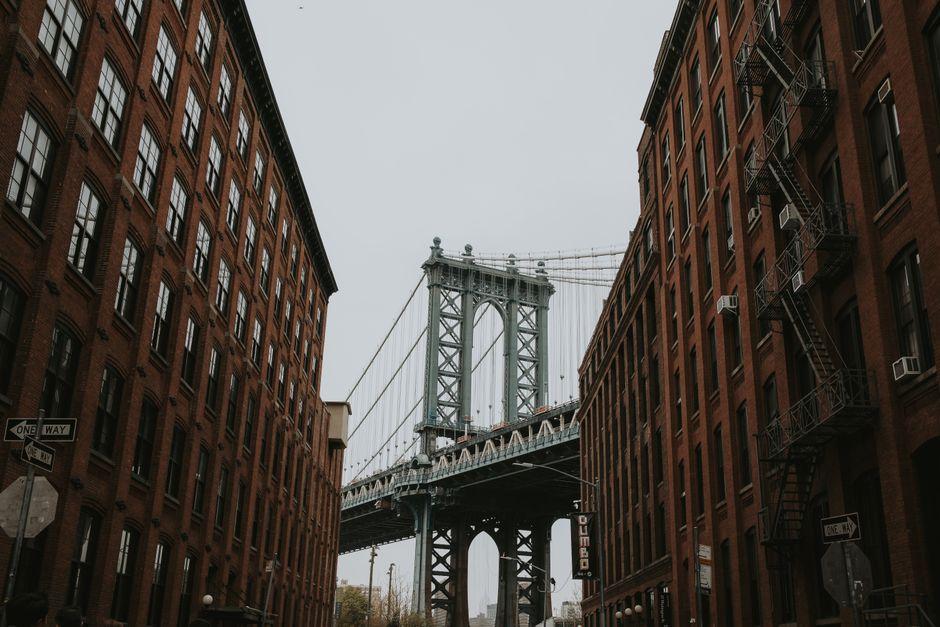
Dumbo’s historic streetscape and infrastructure have undergone a significant transformation following the completion in December 2025 of a $108 million restoration and upgrade project. The initiative restored 26 blocks of cobblestone streets and enhanced vital underground water and sewer systems, marking one of the most extensive infrastructure efforts in the neighborhood’s recent history.
Why These Upgrades Matter Now
The significance of Dumbo’s transport and traffic developments lies in how they address the growing pressures of increased pedestrian, cycling, and vehicular activity amid rapid neighborhood evolution. As Dumbo transitions from a manufacturing hub to a dynamic residential and commercial area, the need for safer, more accessible streets has become apparent. Moreover, growing tourist activity and community advocacy for preservation and smart development have shaped approaches to urban mobility and public space planning.
These changes come in a context where community groups such as the Dumbo Neighborhood Association have actively pushed for protections against overdevelopment that threatens the neighborhood’s character. Simultaneously, New York City agencies have responded with infrastructure projects designed to balance heritage preservation with modern transport demands.
Local Infrastructure Milestones and Community Impact
The street restoration project itself brought back the classic Belgian block cobblestone texture to Dumbo’s 26 blocks, areas including Water Street, Pearl Street, and Front Street, known for their iconic industrial charm. Beyond aesthetic restoration, the project upgraded nearly four thousand feet of water mains and installed dozens of new catch basins to improve stormwater drainage, addressing long-standing flooding issues. Additionally, the installation of new fire hydrants and upgrades to transportation assets enhanced overall safety.
Complementing the street work, New York City’s Department of Transportation (DOT) has implemented several cycling infrastructure improvements. New protected two-way bike lanes on Front Street and upgrades at critical intersections such as Jay Street and Sands Street have improved safety for cyclists navigating between the Manhattan Bridge bike path and local streets. These improvements reflect an increased prioritization of sustainable transport modes in the neighborhood.
Community reactions have also influenced transport policies, especially after Community Board 2 rejected a 2025 rezoning plan that would have allowed residential conversions in a manufacturing zone east of the Manhattan Bridge. This decision underscores the local demand for measured development that respects existing urban patterns and traffic flows.
Furthermore, Dumbo’s evolving retail and leisure scene-with new arcade-filled brewpubs, rooftop hangouts on Water, Front, and Pearl streets, and expanded food and beverage destinations-has increased foot traffic, particularly on weekends, driving a demand for safer streets and improved pedestrian amenities.
Looking Ahead: What Residents and Visitors Can Expect
While the streetscape upgrades provide a safer and more charming public realm, residents have stressed the need for enhanced crowd control and advanced public space planning, especially with major events like World Cup viewing parties drawing large numbers of visitors. As the neighborhood continues to evolve, the city’s efforts to improve active transport through protected cycling lanes and better crosswalks will be critical to managing traffic flows and ensuring public safety.
Practical advice for those visiting or living in Dumbo includes utilizing the new bike infrastructure to navigate safely and supporting local businesses clustered along restored streets like Water and Front. The neighborhood’s protection efforts mean changes will likely proceed with community input, balancing vibrancy with heritage preservation.
In traceable terms, Dumbo’s transport and traffic landscape is the product of intensive infrastructural investments, thoughtful urban planning, and ongoing community engagement. The combined result is a neighborhood that honors its industrial past while progressing towards a safer, more accessible future.