culture
DUMBO Transforms From Industrial Waterfront Into Premier Creative Hub
Once a forgotten corner of warehouses and cobblestones, DUMBO's evolution into a destination for art, design, and performance reflects decades of grassroots investment and strategic preservation.
How we reported this
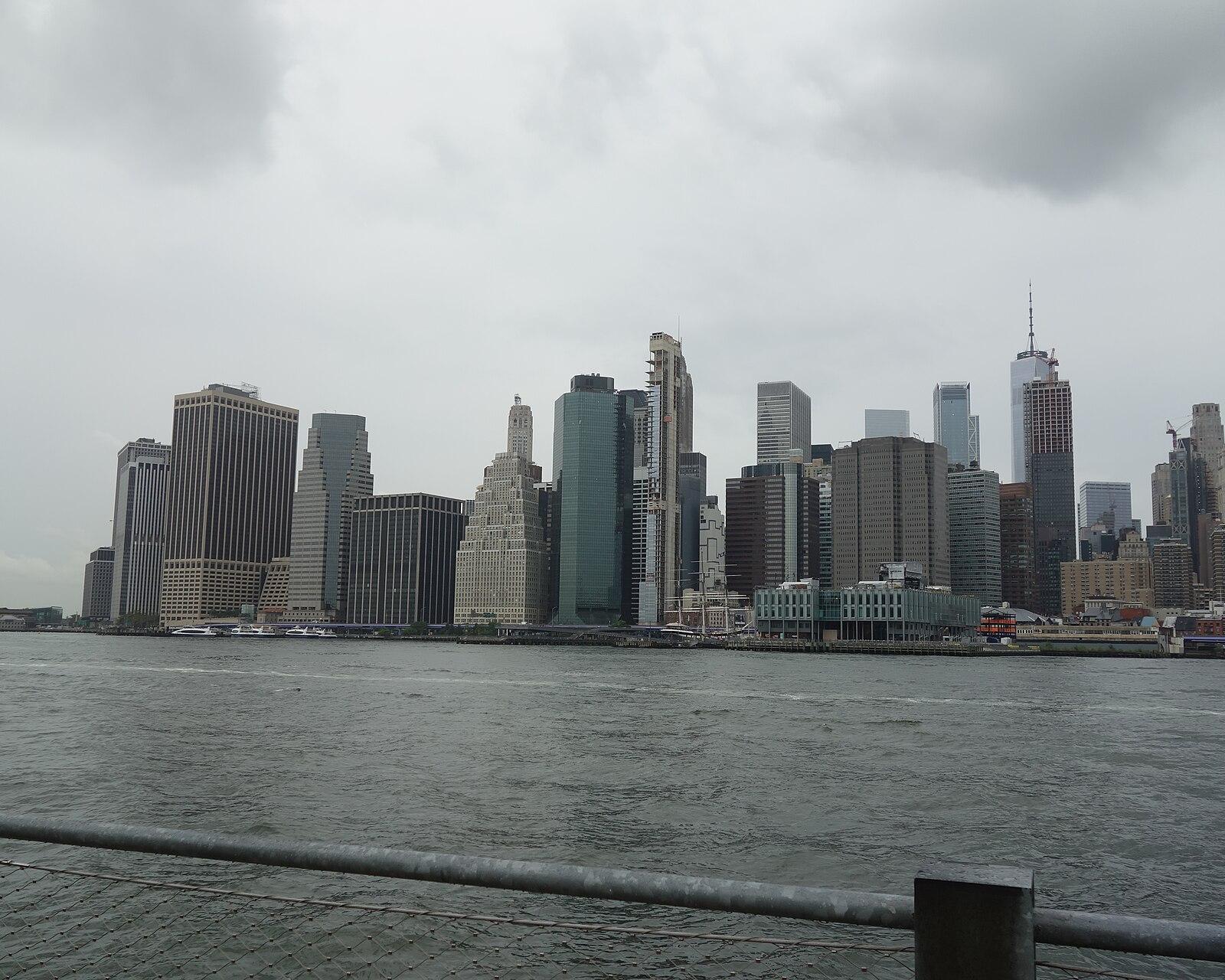
The transformation of DUMBO-the neighborhood wedged between the Manhattan and Brooklyn bridges-reads like a master class in urban revitalization, though the story is messier and more contested than the gleaming galleries lining its streets suggest today.
What makes this moment worth examining isn't simply that DUMBO has become a cultural destination. It's that the neighborhood's rise from industrial obscurity offers lessons about how cities preserve character while adapting to market forces. The story matters now because DUMBO faces its most significant test yet: remaining authentic as rents climb and corporate tenants eye its warehouse spaces.
The Bones Beneath the Boutiques
Walk down St. Ann's Warehouse's block on Water Street, and you're standing on ground that forty years ago held printing plants, spice warehouses, and cobbling operations. The neighborhood's first cultural institutions didn't arrive with venture capital or city planning committees. They arrived because rent was cheap and artists needed space.
St. Ann's Warehouse, founded in 1980 and relocated to its permanent DUMBO home in 2015 at 155 Water Street, became the anchor that legitimized the neighborhood's artistic potential. The 299-seat theater now hosts experimental work that rarely finds funding elsewhere-productions have included acclaimed adaptations that toured globally. Nearby, The Powerhouse Arena (37 Main Street) opened in the mid-2000s as a converted industrial space dedicated to photography, design, and artist books. Its raw brick walls and timber beams became the visual template for what DUMBO aesthetics would come to mean: preserved industrial bones topped with contemporary vision.
These weren't overnight successes. The city designated DUMBO a Historic District in 2007, protecting the neighborhood's 19th-century cast-iron buildings and narrow streets from wholesale demolition. That decision locked in the neighborhood's character just as property values began climbing. A one-bedroom apartment that rented for $800 monthly in 2000 commanded $3,200 by 2015, according to real estate data tracking the area.
Market Forces and What Remains
Today's DUMBO supports roughly forty galleries concentrated between Front Street and the waterfront, with institutions like Pace Gallery (540 West 25th Street's parent company operating satellite locations here) anchoring the high end. Mid-tier galleries cluster around St. Ann's Warehouse, creating a genuine arts district rather than a single-gallery destination.
But the metrics tell a complicated story. Gallery vacancy rates in DUMBO stood at 8.3 percent as of May 2026, down from 14 percent in 2023, suggesting sustained demand but also consolidation. Smaller, independent galleries-the kind that first colonized the neighborhood-have steadily relocated to Sunset Park, Ridgewood, and beyond as landlords realized they could command premium retail rates.
The creative institutions that remain have adapted. St. Ann's Warehouse runs a Community Engagement program reaching 12,000 residents annually through subsidized performances and workshops. The Powerhouse Arena shifted toward publishing and limited-edition artist collaborations rather than competing with major galleries on exhibition space. Both are strategies of specialization rather than expansion.
For visitors planning a DUMBO visit, the neighborhood still rewards exploration beyond Instagram's favorite spots. Attend performances at St. Ann's rather than simply photographing its courtyard. Spend time at The Powerhouse Arena's current exhibitions rather than grabbing coffee and leaving. The neighborhood's cultural identity was built by people who stayed, worked, and invested in institutions-not by people passing through. That distinction still shapes what DUMBO offers to those willing to look beyond the postcard version.